
Dunhuang’s Desert-Edge Markets: Trade
- Date:
- Views:267
- Source:The Silk Road Echo
When you think of ancient trade routes, one name blazes like a mirage in the mind: Dunhuang. Nestled on the edge of the Gobi Desert, this Silk Road gem wasn’t just a pit stop—it was a cultural and commercial powerhouse. Let’s dive into the bustling desert-edge markets that made Dunhuang legendary.
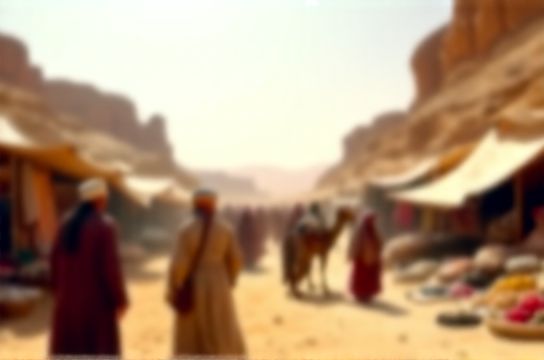
Over 2,000 years ago, camel caravans laden with silk, spices, and stories converged here. Dunhuang sat at the crossroads of China, Central Asia, and beyond—making its markets a melting pot of languages, religions, and goods. Think of it as the Amazon of antiquity, but with more sand and fewer delivery drones.
Merchants from Persia traded saffron and glassware; Indians brought Buddhist texts and gems; Chinese vendors sold fine porcelain and, of course, silk—the original status symbol. The Yumen Pass and Yangguan Gate weren’t just checkpoints—they were gateways to fortune.
What Was Traded in Dunhuang’s Markets?
| Commodity | Origin | Value (Est. in Silver Coins) | Cultural Impact |
|---|---|---|---|
| Silk | China | 50–100 per bolt | Synonym for luxury across Eurasia |
| Saffron | Persia | 75 per ounce | Used in rituals and medicine |
| Buddhist Texts | India | Varies (high spiritual value) | Fueled spread of Buddhism in China |
| Jade | Khotan | 60–90 per piece | Symbols of power and purity |
These markets weren’t just about profit—they shaped history. The Mogao Caves, carved into cliffs nearby, stand as proof. Funded by wealthy traders and pilgrims, they became a sanctuary of art and faith, preserving over 45,000 square meters of murals and manuscripts.
Fun fact: In the Tang Dynasty (618–907 CE), Dunhuang hosted over 30,000 residents—massive for a desert town. Archaeologists have unearthed coins from Rome, Sogdian letters, and even early paper receipts. Talk about global commerce!
Today, while the camel trains are gone, Dunhuang’s spirit lives on. The monthly folk market near Shazhou Night Market lets visitors taste roasted lamb skewers, haggle for handmade crafts, and feel echoes of that ancient buzz.
If you're planning a visit, come in autumn. The heat dips, and the Grape Festival (yes, really) celebrates local harvests with music, dance, and mountains of sweet Kyoho grapes.
Dunhuang’s desert-edge markets weren’t just economic hubs—they were bridges between worlds. Where else could you buy Persian perfume, hear a Sanskrit sutra, and admire a Chinese painting—all before lunch?