
Finding Zen in a Suzhou Teahouse: Tradition in Every Sip
- Date:
- Views:236
- Source:The Silk Road Echo
Ever felt like your daily grind is one chaotic WeChat message away from total meltdown? Yeah, same. But what if we told you there’s a city in China where time slows down with every sip of tea? Welcome to Suzhou — the Venice of the East, where ancient gardens whisper poetry and teahouses serve serenity on a silver platter.
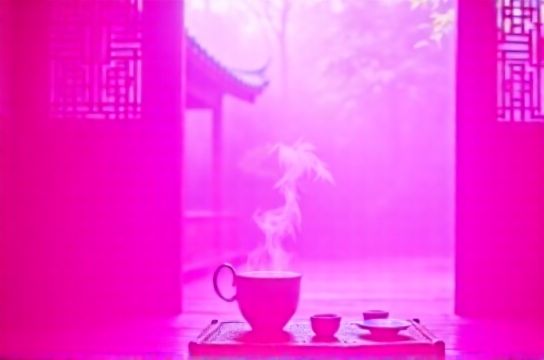
Suzhou isn’t just about silk and canals (though, let’s be real, those are pretty epic). It’s a sanctuary for the soul, especially if you know where to find its hidden teahouses. Nestled between willow trees and classical pavilions, these spots aren’t just places to drink tea — they’re portals to another era.
Let’s talk numbers for a sec: Over 60% of Suzhou’s historic teahouses date back to the Ming or Qing dynasties. And get this — locals spend an average of 2.5 hours per visit, sipping, chatting, and just… being. That’s not coffee-break culture. That’s mindfulness, old-school Chinese style.
One of the most revered spots? Humble Administrator’s Pavilion Teahouse. Located inside the UNESCO World Heritage-listed garden, it serves up delicate Longjing (Dragon Well) tea with a side of jaw-dropping scenery. A single cup? Around ¥25. The peace of mind? Priceless.
Top 5 Teahouses in Suzhou You Can’t Miss
| Teahouse | Location | Specialty Tea | Avg. Price (RMB) | Vibe Check |
|---|---|---|---|---|
| Humble Admin Teahouse | Zhuozheng Yuan Garden | Longjing | 25 | Tranquil, poetic |
| Pingjiang Road Fragrance | Pingjiang Road | Biluochun | 30 | Cozy, artsy |
| Lingering Garden Brew | Liu Yuan Garden | Jasmine Pearl | 35 | Elegant, refined |
| Yun Shan Teahouse | Tiger Hill | Tieguanyin | 40 | Meditative, misty |
| Old Town Leaf | Shantang Street | Pu’er | 20 | Rustic, nostalgic |
So what makes Suzhou’s tea ritual so special? It’s not just the brew — it’s the rhythm. No one rushes. Steam curls from clay pots, elders play Chinese chess, and the scent of fresh Biluochun fills the air like a love letter to the senses.
Pro tip: Visit during spring (March–May). That’s when the gardens bloom and the tea is freshest. Bonus points if you catch a soft Kunqu opera melody drifting through the breeze.
In a world that glorifies hustle, Suzhou’s teahouses remind us that stillness is sacred. So next time you need to reset, skip the meditation app. Book a ticket to Suzhou. Let the tea do the talking.