
How to Read Chinese Subway Maps Quickly
- Date:
- Views:2
- Source:The Silk Road Echo
So you’re in China, standing in front of a giant, colorful subway map with zero idea where to start? Don’t sweat it — you're not alone. Every year, over 20 billion subway trips are taken across China’s rapidly expanding metro systems (World Metro Atlas, 2023). Cities like Beijing, Shanghai, and Guangzhou have some of the largest networks in the world. But here’s the good news: reading a Chinese subway map is way easier than it looks — once you know the tricks.
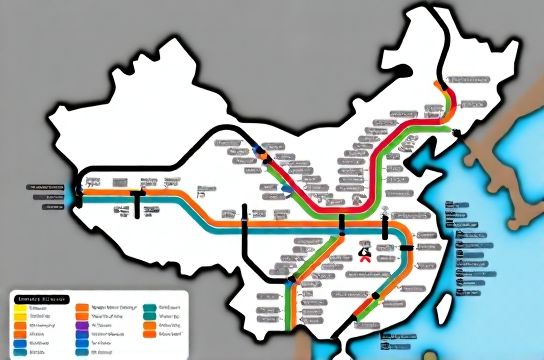
Understand the Color-Coded Lines
First things first: each subway line has its own color and number (or letter). For example, Beijing Subway Line 1 is red, while Line 2 is green. These colors repeat across stations and maps, so if you follow the red line, you won’t get lost. Look for the line number on circular icons — that’s your best friend.
Spot the Transfer Stations
Transfer points are marked with a hollow circle or a double circle. These let you switch lines. In big hubs like Shanghai People’s Square or Beijing Xidan, you might have 3+ line options. Pro tip: avoid transfers during rush hour (7:30–9:00 AM and 5:30–7:00 PM) unless you enjoy human sushi.
Use Both Chinese and English
Most major cities include English station names, but they’re often in Pinyin (Romanized Chinese). For instance, “Tiananmen East” appears as “Tian’anmen Dong”. Keep an eye out for landmarks — many stations are named after tourist spots. If you’re unsure, search for how to read Chinese subway maps quickly using offline translation apps like Baidu Maps or A Better Routeplanner.
Check the Direction Before Boarding
Chinese subways list two endpoints per line. Always confirm your train heads toward your destination. Missing this step = ending up in the suburbs of nowhere. Look for signs saying “开往 [destination]” (headed to...).
Real-Time Data Helps — Here’s Why
Check this comparison of China’s top metro systems:
| City | Lines | Total Length (km) | Daily Ridership (Million) |
|---|---|---|---|
| Shanghai | 20 | 831 | 106 |
| Beijing | 27 | 783 | 120 |
| Guangzhou | 16 | 653 | 95 |
| Shenzhen | 16 | 547 | 72 |
Source: Urban Rail Transit Yearbook 2023
As you can see, Beijing leads in both lines and ridership. That means more complexity — but also better signage. Smaller cities may lack full English support, so download a local app ahead of time.
Master Key Phrases
- 地铁站 (Dìtiě zhàn) – Subway station
- 几号线?(Jǐ hào xiàn?) – Which line?
- 去 [place] 怎么坐地铁?– How do I take the subway to [place]?
And remember: if all else fails, show the station name on your phone to staff. They’re usually helpful!
Now that you know how to navigate like a pro, check out our guide on using public transit in Chinese cities for more insider tips. Whether you're commuting or touring, mastering the subway opens up China — fast, cheap, and efficiently.