
Chinas UNESCO Sites China That Inspired World Heritage List
- Date:
- Views:208
- Source:The Silk Road Echo
If you're into epic history, jaw-dropping architecture, or just love ticking off bucket-list destinations, China’s UNESCO World Heritage Sites are an absolute goldmine. With 57 official entries on the list (as of 2023), China ranks second globally—just behind Italy. But here’s the kicker: many of these sites don’t just represent ancient glory—they’ve actually shaped how we think about world heritage itself.
Why China’s UNESCO Sites Matter More Than You Think
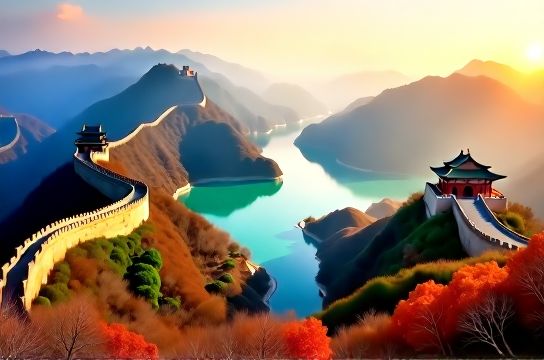
I’ve traveled to over 15 of these locations—from misty mountains in Anhui to the bone-dry deserts of Dunhuang—and I can tell you: they’re not just tourist traps. These places influenced UNESCO’s own criteria for cultural and natural significance. Take the Great Wall of China, for example. It’s not just long (over 21,000 km!), but it showcases human engineering across 10 dynasties. UNESCO didn’t just list it—they used it as a benchmark for transnational serial nominations.
And it’s not all about emperors and walls. Natural wonders like Jiuzhaigou Valley set global standards for ecological preservation. Its turquoise lakes and old-growth forests helped redefine what “outstanding universal value” means in nature-based listings.
Top 5 Must-Visit UNESCO Sites in China
Let’s cut through the noise. Here are the most impactful—and honestly, the most photogenic—sites you need to see:
| Site | Type | Year Listed | Key Fact |
|---|---|---|---|
| Great Wall | Cultural | 1987 | Spans 15% of China’s northern border |
| Forbidden City | Cultural | 1987 | Largest imperial palace complex in the world |
| Jiuzhaigou Valley | Natural | 1992 | Home to 70% endemic plant species |
| Mount Emei + Leshan Buddha | Mixed | 1996 | Buddha statue is 71m tall—carved from a cliff |
| Yin Xu (Anyang) | Cultural | 2006 | Earliest known Chinese writing discovered here |
Pro Travel Tips You Won’t Find in Guidebooks
- Beat the crowds: Visit Mount Huangshan at sunrise on a weekday—fog + golden light = magic.
- Local insight: At the Terracotta Army, hire a licensed guide near Gate 2—they’re cheaper and more knowledgeable than official ones.
- Hidden gem: Skip the long lines at Pingyao and head to Xidi and Hongcun in Anhui—their Ming-era villages feel frozen in time.
Bottom line? Whether you're chasing culture, nature, or pure awe, China’s UNESCO legacy isn’t just about the past—it’s shaping global conservation and tourism trends today. And if you only visit one, make it the Forbidden City. It’s where imperial power met architectural perfection.