
Learn About Chinese Cultural Experiences Through Cuisine
- Date:
- Views:204
- Source:The Silk Road Echo
If you've ever taken a bite of dumplings in Xi'an or sipped tea in a quiet Hangzhou garden, you already know—Chinese cuisine is way more than just food. It's a full-on cultural journey. As someone who’s spent over a decade exploring regional flavors and dining customs across China, I’m here to tell you: the real story isn’t on your plate—it’s behind it.
Why Food Is the Key to Understanding China
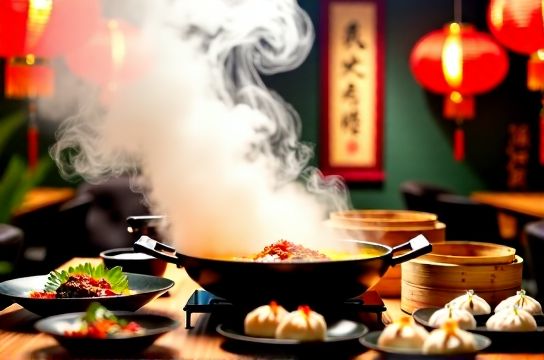
China has 56 officially recognized ethnic groups and countless regional dialects. With such diversity, food becomes a universal language. Every dish tells a story—of geography, history, and family tradition. Take Sichuan hot pot, for example. That fiery broth? It’s not just about taste. The region’s humid climate made spicy food a practical choice to clear dampness from the body—now it’s a national obsession.
Regional Flavors: A Snapshot
China’s 'Eight Great Cuisines' each offer unique insights. Here’s a quick breakdown:
| Cuisine | Signature Traits | Cultural Insight |
|---|---|---|
| Sichuan | Spicy, numbing (thanks to Sichuan pepper) | Adaptation to humid climate |
| Cantonese | Fresh ingredients, subtle seasoning | Emphasis on balance and health |
| Shandong | Salty, umami-rich, often seafood-based | Coastal trade influence |
| Jiangsu | Precise knife work, sweet-savory balance | Imperial court refinement |
This isn’t just flavor profiling—it’s culinary anthropology. When you eat Cantonese dim sum, you’re joining a centuries-old tradition of yum cha (tea-drinking) that started as a traveler’s rest stop along ancient trade routes.
Tea: More Than a Drink
No cultural meal in China is complete without tea. But it’s not just a beverage—it’s ritual. In Fujian, oolong tea ceremonies can last over an hour, symbolizing respect and patience. Over 2.5 million tons of tea are produced in China annually—more than any other country (FAO, 2023). Whether it’s green, black, or pu-erh, each type reflects local values and terroir.
Modern Twists on Tradition
Today, young chefs are reimagining classics. Think mooncakes with matcha filling or street-style dan dan noodles in high-end Shanghai restaurants. Yet, even with innovation, the core philosophy remains: harmony between yin and yang, seasonality, and communal eating.
How to Experience It Yourself
- Visit local markets – Try ingredients like dried shrimp or fermented black beans.
- Join a cooking class – Hands-on learning deepens cultural appreciation.
- Eat with locals – Nothing beats a home-cooked meal shared with a host family.
Bottom line? To understand China, start with your stomach. Every bite carries history, identity, and pride. And once you go beyond takeout, you’ll never see Chinese culture the same way again.