
UNESCO Sites China Legacy of Ancient Civilizations
- Date:
- Views:244
- Source:The Silk Road Echo
If you're into history, culture, or just love jaw-dropping travel moments, UNESCO sites in China should be at the top of your bucket list. I’ve spent the last five years exploring East Asia’s cultural gems, and let me tell you—China isn’t just big on size, it’s massive in heritage. With 57 official UNESCO World Heritage Sites (as of 2024), it ranks third globally, behind only Italy and France. But what makes these places truly special? Let’s dive in.
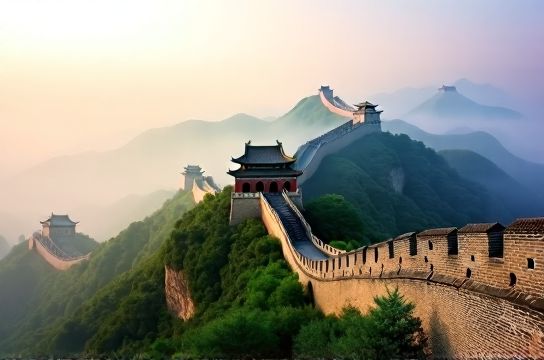
From the Great Wall to the Forbidden City, many of these spots are household names. But beyond the postcard shots, there’s a deeper story—one of ancient engineering, spiritual depth, and dynastic power. Whether you’re planning a trip or just geeking out on history, here’s a no-fluff guide to China’s most iconic UNESCO sites.
Why China’s UNESCO List Stands Out
What sets China apart is the sheer variety. You’ve got natural wonders like Jiuzhaigou Valley, ancient tombs like Emperor Qinshihuang’s, and living traditions such as the Grand Canal. The country blends human achievement with environmental harmony—a core principle in traditional Chinese philosophy.
Check this quick snapshot of site types:
| Site Type | Number of Sites |
|---|---|
| Cultural | 39 |
| Natural | 14 |
| Mixed (Cultural + Natural) | 4 |
Yep, that’s 39 cultural sites alone—more than most entire countries combined. And they’re not just old buildings. Many are still actively used, like Confucius’ Temple in Qufu or Buddhist caves at Dunhuang.
Top 3 Must-Visit UNESCO Sites in China
- The Great Wall (1987) – Spanning over 21,000 km, this isn’t one wall but a network built across centuries. Only about 8% is well-preserved, so visit Mutianyu or Jinshanling for the real deal.
- Forbidden City, Beijing (1987) – Home to 24 emperors over 500 years, this palace complex covers 72 hectares and has 980 surviving buildings. Pro tip: Go early to beat the crowds and catch the morning light on golden roofs.
- Mount Taishan (1987) – A mixed site combining natural beauty and spiritual significance. Emperors performed sacred rites here for over 3,000 years. Hike the ‘18 Bends’ at sunrise—it’s legendary.
These aren’t just tourist traps. They’re symbols of endurance, belief, and identity. And if you’re curious how China stacks up globally, here’s a quick comparison:
| Country | UNESCO Sites (2024) |
|---|---|
| Italy | 58 |
| China | 57 |
| France | 52 |
| USA | 26 |
China is closing in fast. And with new nominations like Khitan Liao Dynasty Capital Sites in review, it might even take the lead soon.
Bottom line? Whether you're chasing history or just epic views, exploring China's UNESCO legacy offers something no other country can match. Start planning—you won’t regret it.