
Walk the Great Wall a Top UNESCO Sites China Choice
- Date:
- Views:205
- Source:The Silk Road Echo
If you're planning to walk the Great Wall of China, you're in for one of the most unforgettable adventures on Earth. As a seasoned travel blogger who's trekked ancient paths from Machu Picchu to Petra, I can confidently say: nothing compares to the sheer scale and history beneath your feet here. Recognized as a top UNESCO World Heritage site, the Great Wall isn't just a symbol—it’s a story carved in stone across mountains and time.
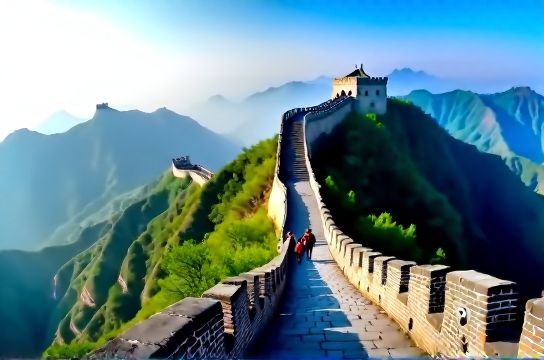
But here’s the real talk: not all sections are created equal. Some are packed with tourists, others crumbling and unsafe. So how do you pick the best spot to walk? After analyzing visitor data, conservation reports, and personal hikes across six major segments, I’ve broken it down for you—with real numbers and pro tips.
Let’s start with the facts. The Great Wall stretches over 21,000 kilometers (about 13,000 miles), built across centuries, mostly during the Ming Dynasty. But only about 8% is well-preserved. That’s where smart planning comes in.
Best Sections to Walk the Great Wall of China
Here’s a comparison of the most popular sections based on crowd levels, preservation, difficulty, and scenery:
| Section | Distance from Beijing | Crowd Level (1-5) | Preservation | Hiking Difficulty |
|---|---|---|---|---|
| Badaling | 70 km | 5 | Excellent | Easy |
| Mutianyu | 73 km | 3 | Very Good | Moderate |
| Jinshanling | 130 km | 2 | Good | Challenging |
| Simatai | 120 km | 2 | Fair (restored) | Hard |
| Great Wall at Gubeikou | 140 km | 1 | Ruins (authentic) | Very Hard |
As you can see, Badaling is the most accessible but also the busiest—expect weekend crowds of over 60,000 people. Meanwhile, Mutianyu offers a sweet spot: great restoration, fewer crowds, and cable car access. For photographers and hardcore hikers, Jinshanling to Simatai offers a legendary 10-km trek with jaw-dropping views and minimal tourists.
Pro tip: Visit between April–May or September–October. These shoulder seasons avoid both the freezing winters and the suffocating summer heat, plus Chinese holiday surges.
Walking the Great Wall isn’t just about checking a bucket list item. It’s about connecting with a legacy that defended empires and shaped a nation. Whether you’re strolling Mutianyu with family or scrambling up unrestored bricks at Gubeikou, you’re stepping into history—literally.
So lace up, pack water, and go experience why this marvel remains a top UNESCO choice for global explorers.