
Fashion as Identity in China’s Online World
- Date:
- Views:297
- Source:The Silk Road Echo
In today’s digital China, fashion isn’t just about looking good—it’s a powerful form of self-expression. As social media platforms like Xiaohongshu (Little Red Book), Weibo, and Douyin explode in popularity, young Chinese users are using personal style to broadcast who they are, what they value, and where they fit in society. I’ve spent years analyzing online behavior and digital identity trends, and one thing is clear: fashion in China has evolved into a language all its own.
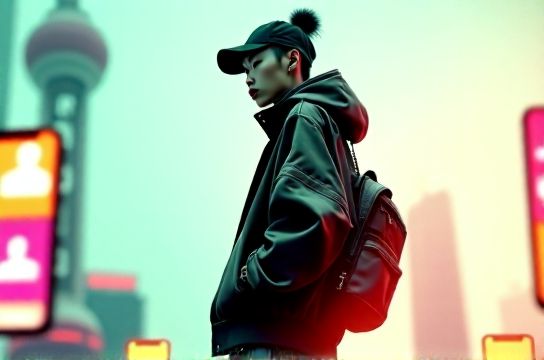
Why Fashion = Identity Online
Unlike traditional Western ideas of fashion as seasonal trends, in China’s online ecosystem, clothing choices reflect deeper cultural shifts—individualism, aspiration, and even resistance. A 2023 report by McKinsey found that 68% of Chinese Gen Z consumers say their outfit directly represents their personality. That’s way higher than the global average of 52%.
Platforms amplify this. On Xiaohongshu, a single ‘OOTD’ (outfit of the day) post can go viral not because it’s flashy, but because it tells a story—‘office worker turned indie designer,’ ‘college student on a budget styling luxury dupes,’ or ‘gender-fluid looks challenging norms.’ This isn’t just shopping; it’s storytelling through style.
The Rise of Subculture Fashion
One major trend I’ve noticed? The boom of niche fashion communities. From ‘Hanfu revivalists’ to ‘Gothic Lolita’ fans, these groups use fashion to reclaim identity. Take Hanfu, the traditional Chinese attire. Once rare, it’s now a symbol of cultural pride. According to Alibaba’s 2023 data, Hanfu sales jumped 146% year-on-year, with over 7 million active enthusiasts online.
Here’s a quick snapshot of trending subcultures and their growth:
| Fashion Subculture | Annual Growth (2023) | Primary Platform | Key Demographic |
|---|---|---|---|
| Hanfu | 146% | Xiaohongshu | 18–25 yrs |
| Streetwear (Local Brands) | 89% | Douyin | 16–30 yrs |
| Girlycore / Fairy Kei | 67% | 15–22 yrs | |
| Genderless Fashion | 120% | Bilibili | 18–28 yrs |
What’s driving this? Authenticity. Young users are tired of cookie-cutter styles pushed by fast fashion. They want clothes that mean something. And brands are noticing—both local startups and giants like Li-Ning are leaning into cultural narratives.
How Influencers Shape the Game
But let’s be real: no discussion of Chinese fashion is complete without talking about KOLs (Key Opinion Leaders). These aren’t just pretty faces—they’re style influencers in China who blend expertise, relatability, and sharp branding. A top-tier Xiaohongshu fashion blogger can command engagement rates over 8%, dwarfing Instagram’s average of 1.5%.
The secret? They don’t just show outfits—they teach. Tutorials on ‘how to mix Hanfu with modern wear’ or ‘building a capsule wardrobe on ¥500’ build trust. And trust drives sales. In fact, 61% of users say they’ve bought an item after seeing it in a KOL’s post (source: QuestMobile, 2023).
Final Thoughts: Style With Substance
Fashion in China’s online world is more than aesthetics—it’s identity, culture, and community rolled into one. Whether you’re a brand trying to connect or a user finding your voice, remember: every outfit tells a story. And in today’s digital landscape, the most powerful fashion statements aren’t made on runways—they’re posted from bedrooms, campuses, and city streets across China.