
The Visual Language of China’s Youth Subcultures
- Date:
- Views:299
- Source:The Silk Road Echo
If you're trying to understand what's really shaping youth culture in China today, forget the mainstream headlines. The real story is happening in underground clubs, on Douyin feeds, and through bold fashion statements that scream identity. As a cultural analyst who’s tracked Chinese youth trends for over a decade, I’ve seen how subcultures aren’t just rebelling — they’re redefining what it means to be young in modern China.
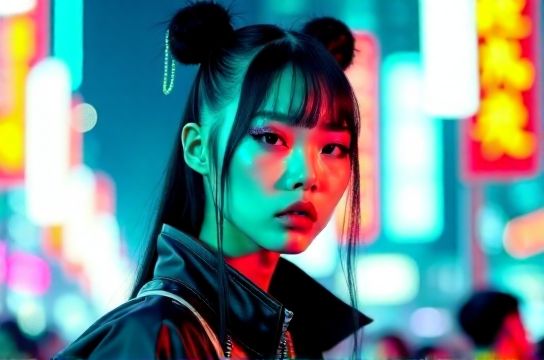
From streetwear-obsessed Gen Zers in Shanghai to cyberpunk-inspired digital artists in Chengdu, visual expression has become the primary language of belonging. And brands? They’re scrambling to catch up.
The Rise of Aesthetic Tribes
What makes these subcultures unique isn’t just their style — it’s their visual coding system. Think color palettes, typography, even emoji usage — all carefully curated to signal group membership. Take the rise of GxG (Genderless X Generation) fashion: androgynous silhouettes paired with neon accessories aren’t random. They’re a direct response to rigid societal expectations.
According to a 2023 iResearch report, over 68% of urban Chinese youth aged 18–26 identify with at least one aesthetic-driven community — whether it’s Hanfu revivalists, cybergoths, or ‘Tang Dynasty futurists’. That’s up from just 41% in 2019.
Breaking Down Key Subcultures & Their Visual Signatures
Here’s a snapshot of the most influential groups right now:
| Subculture | Core Aesthetic | Key Platforms | Youth Reach (Est.) |
|---|---|---|---|
| Hanfu Revivalists | Traditional silk robes, Ming/Qing dynasty motifs | Bilibili, Xiaohongshu | 12M+ |
| Cyberpunk Diggers | Neon grids, augmented reality filters | Douyin, WeChat Mini Programs | 8.5M+ |
| Urban Street Collective | Oversized fits, political stencil art | Weibo, Instagram (via VPN) | 9.2M+ |
| Tangcore | Futuristic takes on Tang-era design | Bilibili, Zhihu | 5.7M+ |
Notice a trend? It’s not just about looking different — it’s about building visual communities that resist assimilation. These kids aren’t waiting for permission; they’re creating their own iconography.
Why This Matters for Brands & Creators
If you’re marketing to Chinese youth, slapping a red envelope or dragon motif on your product won’t cut it. Authenticity hinges on understanding these micro-aesthetics. For example, Puma’s 2022 collab with underground label Randomevent didn’t just sell sneakers — it sold access to an exclusive AR filter club. Result? Sold out in 11 minutes.
The takeaway? Visuals are no longer decorative. They’re functional — acting as passports into tightly knit digital tribes.
So next time you see a teen in Xi’an rocking Tang-style sleeves with LED trim, don’t call it a costume. Call it a manifesto.