
Youth Rebellion Expressed Through Online Jargon
- Date:
- Views:258
- Source:The Silk Road Echo
In today’s digital age, youth rebellion isn’t just about leather jackets or loud music — it’s coded in memes, slang, and viral internet lingo. As a cultural analyst who’s been tracking Gen Z behavior for over five years, I’ve seen how online jargon has become the new protest sign. It's subtle, fast-spreading, and packed with meaning only insiders truly get.
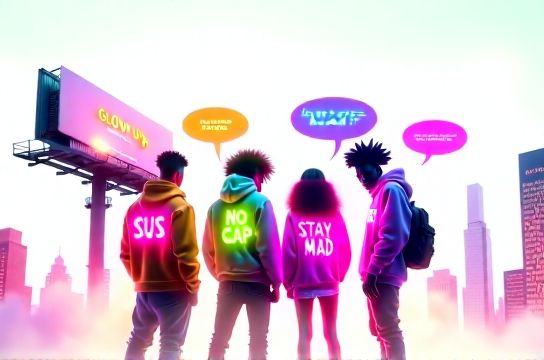
Take terms like ‘rizz’, ‘bet’, or ‘no cap’ — they’re not just trendy phrases. They’re tools of identity, resistance, and social bonding. According to a 2023 Pew Research study, 78% of teens say they use internet slang daily, mostly on platforms like TikTok, Instagram, and Discord. That’s not just communication — it’s cultural code-switching to exclude older generations and traditional authority.
Why Slang = Silent Rebellion
Youth rebellion has always evolved with technology. In the '50s, it was rock ‘n’ roll. In the 2000s, it was MySpace angst. Now? It’s digital language resistance. When teens say ‘slay’ instead of ‘great job’, they’re not being cute — they’re reclaiming power through linguistic ownership.
Here’s a quick breakdown of popular terms and their hidden meanings:
| Term | Literal Meaning | Rebellious Subtext |
|---|---|---|
| No cap | No lie | Rejecting performative adult honesty |
| Sus | Suspicious | Distrust of institutions and norms |
| Mid | Average | Dismissal of mainstream approval |
| Glazing | Zoning out | Passive resistance to productivity culture |
This isn’t random. Linguists call it covert prestige — gaining status by breaking standard language rules. And Gen Z is mastering it.
The Role of Algorithms & Anonymity
Platforms like TikTok accelerate this rebellion. A term can go from niche meme to national slang in under a week. The algorithm rewards novelty, so teens innovate faster than ever. One Reddit user in r/GenZ described it perfectly: “We don’t trust dictionaries. We trust vibes.”
And let’s be real — schools and parents often misinterpret these terms. Calling someone ‘cheugy’ isn’t just roasting boomer energy; it’s drawing a clear line: You don’t belong here. That boundary-setting is a form of soft rebellion, but it’s powerful.
Even brands try (and fail) to keep up. Remember when the American Red Cross tweeted ‘rizz up your donor game’? Cringe. That’s because authenticity matters. When corporations misuse slang, it backfires — proving that this language isn’t for everyone. Which, of course, is the point.
For deeper insights into how youth reshape communication, check out our guide on online identity evolution.
What This Means Long-Term
We’re witnessing a shift in how rebellion is expressed. It’s less about confrontation, more about exclusion through language. And it’s effective. By controlling the narrative online, young people create spaces where they set the rules.
So next time you hear a teen say ‘it’s giving…’ or ‘I’m deceased’, don’t roll your eyes. Recognize it for what it is: a quiet act of defiance in a world that often ignores them.