
Ancient Symbols in Modern Chinese Internet Humor
- Date:
- Views:335
- Source:The Silk Road Echo
If you've spent any time scrolling through Chinese social media—think Weibo, Douyin, or even Bilibili—you’ve probably seen weird-looking characters, mystical seals, or ancient-style calligraphy slapped onto meme templates. What gives? Welcome to the wild world of ancient symbols in modern Chinese internet humor. It’s not just random chaos; there’s history, satire, and a whole lot of Gen Z sarcasm packed into these visuals.
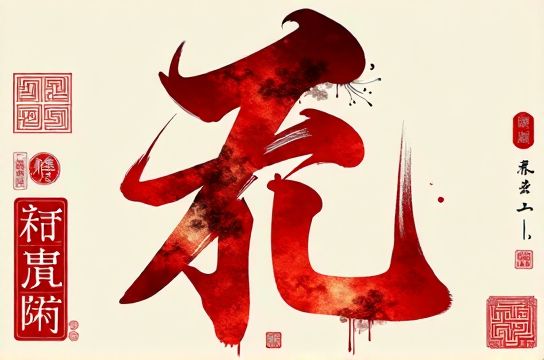
Here’s the tea: young netizens in China are reviving forgotten ideograms, Taoist talisman scripts, and imperial seal styles—not for scholarly purposes, but to roast each other online. These symbols, often unreadable even to native speakers, act as visual punchlines. They’re the equivalent of putting ‘[ERROR]’ in Comic Sans on your ex’s face in a meme.
Why ancient symbols? Because they carry an air of authority. A fake 'Imperial Edict' stamped with a red zhuwen seal instantly feels official—even if it says 'You owe me 50 kuai for last night’s bubble tea.'
Decoding the Trend: Where Old Meets Meme
This trend exploded around 2021 but has roots in earlier internet subcultures. Platforms like Zhihu and Tieba used classical references to signal wit. Now, it's gone mainstream. Memes use pseudo-seal script or Daoist 'magic writing' (fulu) to mock bureaucracy, academic pressure, or relationship drama.
Check out this breakdown of popular symbol types and their meme usage:
| Symbol Type | Origin | Meme Use Case | Virality Index (2023) |
|---|---|---|---|
| Seal Script (Zhuanshu) | Qin Dynasty | Mock 'official notices' | 8.7/10 |
| Taoist Fulu | Tang Dynasty rituals | 'Cursing' friends playfully | 7.9/10 |
| Oracle Bone Fragments | Shang Dynasty | Roasting outdated opinions | 6.5/10 |
| Confucian Seals | Ming Era academia | Satirizing overachievers | 7.2/10 |
As you can see, ancient Chinese symbols aren’t just aesthetic—they’re culturally loaded. Using them ironically creates a layer of humor only those familiar with the weight of tradition truly get. It’s like internet in-jokes wrapped in 3,000 years of calligraphic heritage.
Brands have caught on too. In 2023, a beverage company released a limited-edition drink labeled entirely in fake seal script. Sales jumped 40% among users aged 18–25. Why? Because it was meme-worthy.
So next time you see a post that looks like it was written by a disgruntled Ming Dynasty scholar, don’t panic. Just laugh, screenshot, and reply with your own cursed character. That’s how you win at modern Chinese internet culture.