
Why Chinese Memes Don’t Translate Easily Abroad
- Date:
- Views:305
- Source:The Silk Road Echo
If you’ve ever tried sharing a viral Chinese meme with your Western friends and got back a blank stare, you’re not alone. Chinese memes are exploding in creativity and cultural nuance—but they often fall flat the moment they cross borders. Why? Because humor, language, and internet culture don’t always travel well.
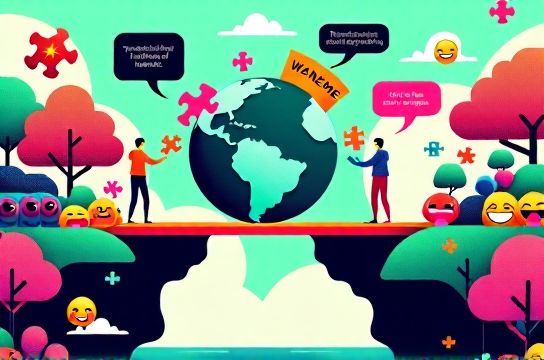
Let’s break it down: Chinese internet slang and memes thrive on wordplay, homophones, and references deeply rooted in local pop culture. Take “wǒ tài nán le” (I’m too difficult), which went viral as a way to express emotional overwhelm. The phrase sounds like “I’m too manly,” creating a humorous contradiction. But without knowing the pun, non-Chinese speakers miss the joke entirely.
Platforms also shape meme styles. While Twitter and Instagram favor quick visuals and short captions, China’s WeChat, Weibo, and Douyin encourage layered content—longer videos, inside jokes, and multi-step punchlines. This creates a mismatch in pacing and delivery.
Check out this comparison of meme engagement across regions:
| Region | Top Platform | Avg. Meme Lifespan | Cultural Reference Density |
|---|---|---|---|
| China | Douyin | 3–7 days | High |
| United States | TikTok | 1–2 days | Medium |
| Japan | X (Twitter) | 4–6 days | High |
| Germany | 2–3 days | Low-Medium |
As you can see, Chinese memes pack more cultural context and last longer locally—but that same density becomes a barrier abroad. According to a 2023 report by China Digital Insights, only 12% of top Chinese memes gained traction outside Mandarin-speaking communities, compared to 38% of U.S. memes going global.
Another issue? Censorship shapes creativity. Chinese netizens often use irony, surreal imagery, or indirect metaphors to bypass content filters. While this breeds brilliant satire, it also makes meanings less transparent to outsiders. A meme showing a panda shrugging might seem cute to foreigners—but in context, it could be a subtle jab at bureaucracy.
So, can Chinese memes go global? Not in their raw form. But with smart adaptation—like adding subtitles, context notes, or remixing for platforms like YouTube Shorts—there’s potential. Some creators are already succeeding. For example, the channel Meme Panda re-edits Chinese viral content with English explanations and has grown to over 500K subscribers in two years.
The key is translation beyond language: translating culture. Just like how K-pop globalized by blending Korean roots with international pop appeal, meme localization could be the next frontier in digital culture export.
In short: Chinese memes aren’t failing globally—they’re just speaking a different internet dialect. And with the right bridge, that humor can travel further than we think.