
China Emoji Meme Language Beyond Text Communication
- Date:
- Views:240
- Source:The Silk Road Echo
If you've ever tried chatting with someone in China, you might've noticed something wild: people aren't just typing words — they're speaking in emojis and memes. Seriously, a single 😂 or 🐶🔥 can carry more meaning than a full English sentence. As a digital culture blogger who’s been tracking Chinese social trends for years, let me break down why emoji and meme language in China goes way beyond simple text — it's a whole new dialect of emotion, sarcasm, and social code.
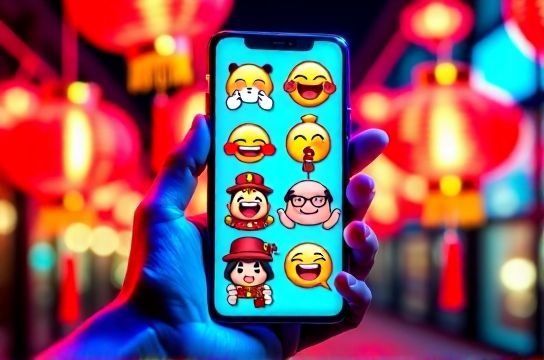
In 2023, over 78% of mobile messages on WeChat and QQ included at least one emoji or sticker, according to a report by iResearch. But here’s the twist: unlike Western emoji use (which is mostly about tone), Chinese netizens treat emojis like punchlines, inside jokes, or even political satire. For example, the dog-and-fire combo 🐶🔥 doesn’t mean 'hot dog' — it’s slang for being roasted online. That’s where meme language kicks in.
Take the famous baozi (dumpling) meme. On surface level, 🥟 looks harmless. But in certain contexts, especially on Weibo or Douban, it’s used to mock exaggerated emotions — think of someone crying over a minor issue. It’s like saying, 'Don’t be so dramatic,' but in a playful, culturally rooted way.
Why Emojis Act Like Words in China
In Mandarin, tone and context rule everything. Since typed Chinese lacks vocal inflection, users rely on visual cues. That’s where emojis step in — not just as decoration, but as emotional punctuation. A message ending with 😏 means something totally different than one ending with 😔.
Here’s a quick breakdown of how emoji functions in real usage:
| Emoji/Meme | Literally Means | Actual Slang Meaning | Common Platform |
|---|---|---|---|
| 🐶🔥 | Dog + Fire | Getting roasted or bullied online | Weibo, Bilibili |
| 🥡 | Takeout box | 'Wrapped up' — used when someone gets defeated | Douyin, QQ |
| 🐭💔🧀 | Mouse + Broken heart + Cheese | Unrequited love (from cartoon references) | WeChat Moments |
| 😎👉😎 | Sunglasses pointing to sunglasses | 'We both know what’s up' — mutual understanding | Bilibili, Zhihu |
As you can see, these aren’t random. They’re built on shared cultural knowledge — often from cartoons, viral videos, or internet history. That’s why outsiders get lost fast.
The Rise of Meme-Only Conversations
On platforms like Bilibili and Douyin, entire comment sections are written in meme chains. One user drops a 🐸, another replies with 🌧️☔ (sad frog in rain), and suddenly it’s a poetic exchange about loneliness. These visual metaphors spread faster than text because they’re instantly recognizable and emotionally resonant.
Brands have caught on too. In 2024, Alibaba reported that campaigns using localized meme language saw a 43% higher engagement rate than standard emoji use. Why? Because speaking in memes shows you ‘get’ the culture — not just the language.
So if you're trying to connect with Chinese audiences, don’t just translate your words. Translate your vibe. Learn the memes. Respect the subtext. And never underestimate the power of a well-placed 🍜 (noodles = busy life struggles).