
Beijing vs Xi'an Imperial Palaces vs Terracotta Warriors
- Date:
- Views:203
- Source:The Silk Road Echo
If you're torn between visiting Beijing's Forbidden City and Xi’an’s Terracotta Army, let’s break it down like a seasoned traveler who’s walked both ancient courtyards and warrior-lined trenches. Spoiler: both are UNESCO World Heritage Sites, but they deliver wildly different experiences.
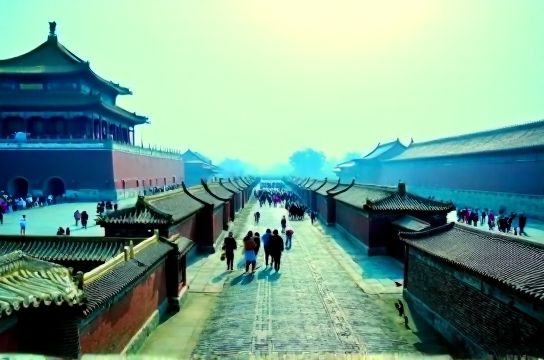
Beijing’s Forbidden City, built in 1420 during the Ming Dynasty, is the largest palace complex in the world—spanning 180 acres with over 980 surviving buildings. It served as the imperial palace for 24 emperors across nearly 500 years. Think grand halls, dragon motifs, and the ultimate symbol of imperial power. In contrast, Xi’an’s Terracotta Army, discovered in 1974, is a subterranean army of over 8,000 life-sized soldiers, horses, and chariots built to guard Emperor Qin Shi Huang in the afterlife. It’s not a palace—it’s an epic funeral project on steroids.
So which one should you prioritize? Let’s compare:
Visitor Stats & Practical Info (2023 Data)
| Feature | Forbidden City (Beijing) | Terracotta Army (Xi’an) |
|---|---|---|
| Annual Visitors | ~17 million | ~9.6 million |
| Avg. Visit Duration | 3–4 hours | 2–3 hours |
| Entry Fee (USD) | $9.50 (high season) | $20 |
| Best Time to Visit | April–May, September–October | May–June, September |
| UNESCO Listed | 1987 | 1987 |
As you can see, the Forbidden City pulls almost twice the crowd—but that also means bigger lines and more shoulder-to-shoulder walking, especially at peak hours. Pro tip: book timed-entry tickets online and go right at opening (8:30 AM) to beat the tour groups.
The Terracotta Army may have fewer visitors, but Pit 1 alone is massive—covering over 14,000 square meters and housing 6,000 warriors. It’s mind-blowing up close. That said, the site lacks the architectural storytelling of the Forbidden City. You’re looking at rows of clay soldiers, not throne rooms or living quarters.
Culturally, they represent two sides of Chinese history: one celebrates imperial rule (Beijing), while the other reveals beliefs about death and the afterlife (Xi’an). If you’re into architecture, court politics, and dynastic drama, the Forbidden City wins. But if ancient engineering, archaeology, and sheer scale excite you, the Terracotta Warriors will leave you speechless.
Bottom line? Do both if you can. But if you’ve only got time for one, pick based on your travel style: immersive cultural journey → Beijing. Jaw-dropping archaeological wonder → Xi’an.