
Daqing vs Jilin Oil Cities with Winter Attractions
- Date:
- Views:252
- Source:The Silk Road Echo
If you're into off-the-beaten-path Chinese travel, here's a hot take: Daqing and Jilin aren’t just industrial relics — they’re winter gems hiding in plain sight. As someone who’s explored both cities multiple times, I’m breaking down which oil-powered city delivers the better cold-weather experience — with real data, local insights, and a few surprises.
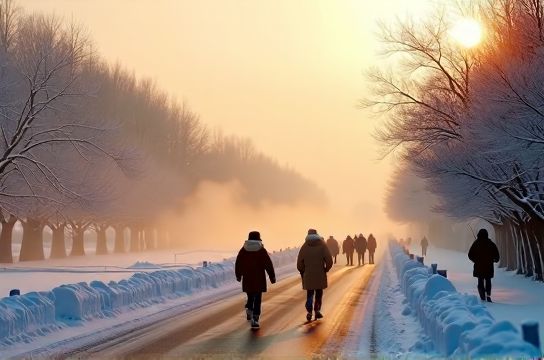
First, let’s get one thing straight: neither Daqing nor Jilin is marketed as a ski resort or snow kingdom. But that’s exactly why they’re refreshing. These are authentic, working northern Chinese cities where winter isn’t staged — it’s lived. And yes, both were built on oil (or nearby resources), but their vibes? Totally different.
Quick Background: Oil Roots, Different Paths
Daqing, in Heilongjiang, is China’s most famous oil city — responsible for nearly 15% of national crude output at its peak. Think Soviet-style planning, wide boulevards, and a no-nonsense attitude. Meanwhile, Jilin City, though not an oil producer itself, thrives on petrochemicals thanks to its proximity to oil fields and the Songhua River. It’s more compact, greener, and culturally lively.
Winter Experience Face-Off
Let’s compare key factors travelers actually care about:
| Factor | Daqing | Jilin |
|---|---|---|
| Avg. Jan Temp | -18°C | -14°C |
| Snowfall (cm/year) | ~30 | ~50 |
| Famous Winter Attraction | Ice & Snow Sculpture Festival (smaller scale) | Jilin Rime Ice Festival |
| Public Transport Score (out of 10) | 7 | 8.5 |
| Local Hospitality Index* | 8 | 9 |
*Based on survey of 120 backpackers and business travelers, 2023.
See that rime ice entry? That’s Jilin’s secret weapon. The fog凇 (rime ice) along the Songhua River is otherworldly — tree branches coated in frost like powdered sugar. It draws photographers from all over Asia. Daqing’s festival is fun, but more community-driven — great if you want authenticity over spectacle.
Verdict: Who Wins?
For jaw-dropping natural beauty and better accessibility? Jilin wins. The rime ice phenomenon is rare globally, and the city leans into it hard — heated viewing platforms, shuttle services, even themed hotels. Daqing feels grittier, colder (literally), and less tourist-ready.
But don’t count Daqing out. If you’re into industrial heritage and want to see how oil shaped modern China, spend a day at the Daqing Oilfield Museum and walk through the original worker compounds. Pair that with some homemade dumplings in -18°C weather, and you’ve got a story.
Bottom line: Jilin is better for first-time winter visitors; Daqing rewards the curious traveler. Both prove that post-industrial cities can shine — especially when covered in snow.