
Urban Harmony: How Qingdao Blends German Heritage with Chinese Spirit
- Date:
- Views:316
- Source:The Silk Road Echo
If you've ever strolled along the cobblestone lanes of Badaguan, sipped a cold Tsingtao beer by the seaside, or gazed at red-tiled rooftops against a backdrop of crashing waves, then you’ve already felt Qingdao’s magic. But what makes this coastal gem truly special isn’t just its postcard-perfect views — it’s how effortlessly it fuses German colonial elegance with unapologetically Chinese soul.
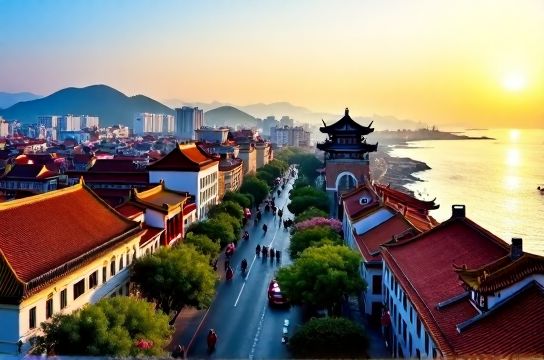
Let’s dive into how Qingdao became a living museum of cultural harmony — where European architecture meets Eastern philosophy, and history doesn’t just sit in museums, it breathes through the streets.
The German Chapter: More Than Just Beer
Back in 1898, Germany leased Qingdao and spent 17 years shaping it into their “model colony.” Unlike other foreign interventions in China, the Germans invested heavily in infrastructure — sewer systems still partially in use today, solid brick buildings, and wide boulevards. By 1914, over 200 European-style structures stood tall, many designed with Nordic Gothic touches adapted to Shandong’s climate.
And yes — Tsingtao Brewery, founded in 1903, is real. It’s not just a brand; it’s a symbol of fusion. Today, it’s one of China’s largest beer producers, exporting globally while keeping its German roots alive.
Sino-German Architectural Dance
Walk through Old Town and you’ll spot Lutheran churches next to traditional courtyard homes. The blend isn’t forced — it feels natural, almost poetic. Here’s a snapshot of key architectural hybrids:
| Site | Origin | Modern Use | Architectural Style |
|---|---|---|---|
| Zhanqiao Pier | 1891 (expanded by Germans) | Tourist landmark | Chinese base, European extension |
| Tsingtao Protestant Church | 1910 | Active church & tourist site | Northern German Gothic |
| Badaguan Villas | 1930s | Museums & guesthouses | European styles per country |
| Former Governor’s Mansion | 1905 | Museum | Renaissance + Baroque |
Notice how function evolved, but form endured? That’s Qingdao in a nutshell — respectful preservation without freezing time.
Culture on Tap: From Bauhaus to Baozi
Today, locals sip espresso in cafes housed in century-old consulates, while street vendors sell haufen (steamed buns) steps away. The annual Qingdao International Beer Festival draws over 4 million visitors — a carnival of hops, music, and multicultural cheer.
But beyond festivals, daily life reflects balance: elders practice tai chi in parks once designed by German landscapers; students sketch neo-Roman columns in art class; and bilingual signs honor both heritage and homeland.
Why This Fusion Works
Unlike cities where colonial pasts breed tension, Qingdao turned history into harmony. The German era wasn’t erased — it was adopted, reinterpreted, and woven into local identity. Locals don’t see these buildings as reminders of occupation, but as part of their unique story.
In a world craving authenticity, Qingdao offers something rare: a city that remembers without regret, blends without losing itself.
So next time you crack open a Tsingtao, take a moment. You’re not just tasting beer — you’re sipping on 120 years of urban poetry.