
The Rhythm of Chengdu: How Si Chuan Opera Shapes Daily Life
- Date:
- Views:169
- Source:The Silk Road Echo
If you've ever strolled through a leafy park in Chengdu at dawn, you might’ve heard it — the sharp beat of clappers, the high-pitched wail of erhu strings, and voices rising like steam from a pot of hotpot. That’s not just background noise. It’s the living pulse of Si Chuan Opera, woven into the city’s DNA.
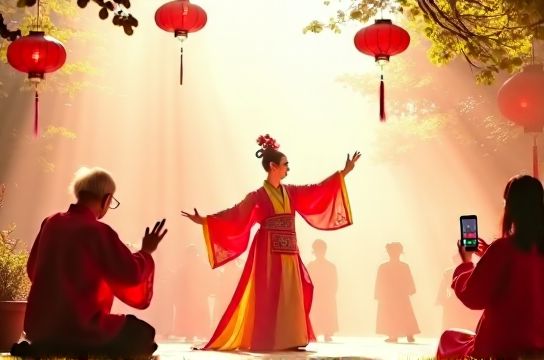
More than just a performance art, Sichuan Opera is a daily ritual for thousands. Retirees gather under gingko trees to rehearse face-changing acts (bian lian) with scarves fluttering like silk dragons. Teahouses double as impromptu stages where grandmothers cheer louder than any concert crowd. In a city known for slow living and spicy flavors, opera isn’t entertainment — it’s oxygen.
Let’s break down how this ancient tradition still moves modern Chengdu.
The Numbers Behind the Mask
Sure, it’s poetic — but let’s get real with data. According to the Chengdu Cultural Bureau (2023), over 120,000 residents participate in amateur Sichuan Opera groups. That’s roughly 1 in every 200 people! And it’s not fading — youth engagement rose by 18% from 2020 to 2023.
| Year | Amateur Troupes | Public Performances | Youth Participation |
|---|---|---|---|
| 2020 | 437 | 1,200 | 9.2% |
| 2023 | 582 | 2,100 | 11.0% |
These aren’t dusty museum relics. They’re community hubs. Places like Renmin Park’s Tea House Stage host free shows six days a week. Locals don’t just watch — they sing along, correct pitch errors, and even jump in to play percussion.
Bian Lian: More Than a Magic Trick
You’ve probably seen clips online — performers changing masks in a blink. But bian lian isn’t just flashy theater. Each color tells a story: red for loyalty, white for treachery, black for fierceness. It’s emotional shorthand passed down for 300 years.
And here’s the kicker: masters guard their techniques like secret recipes. Some pass them only to blood relatives. One performer told us, “It’s not about hiding — it’s about respect.”
Opera in the Age of TikTok
Can ancient art survive short attention spans? In Chengdu, yes — because it evolved. Young troupes blend opera with pop music, posting mashups on Douyin (China’s TikTok). A recent video of a Sichuan Opera cover of Jay Chou’s “Blue and White Porcelain” hit 2.3 million views.
Schools now offer after-class opera clubs. Even tech workers unwind by learning basic face changes during weekend workshops. As one 28-year-old coder put it: “Debugging code and mastering bian lian? Both need patience — and a little magic.”
So next time you sip tea in Chengdu, listen closely. Beneath the laughter and clinking cups, there’s rhythm, history, and a culture that refuses to be silent.