
Shanghai Modern Culture in Lujiazui Financial District
- Date:
- Views:224
- Source:The Silk Road Echo
If you're thinking Shanghai is just about ancient temples and dumplings, think again. The real pulse of modern Shanghai culture beats strongest in Lujiazui — the futuristic skyline of China’s financial muscle. Towering skyscrapers, global brands, and a lifestyle that blends East-meets-West luxury make this district a cultural hotspot unlike any other.
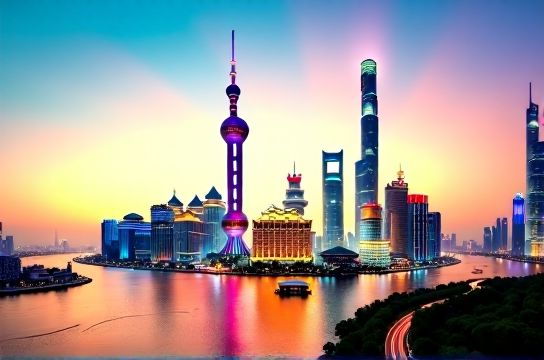
Lujiazui isn’t just for bankers and business suits. It's where art, architecture, and ambition collide. As someone who’s explored every corner from the Bund to Pudong, I can tell you: if you want to experience contemporary Chinese identity, start here.
Why Lujiazui Defines Modern Shanghai Culture
Gone are the days when Shanghai’s identity was tied only to its colonial past. Today, Lujiazui symbolizes China’s rise — with three of the world’s top 10 tallest buildings right in one square kilometer. But it's not just about height; it's about influence.
The district houses over 300 multinational corporations, more than 80% of which have regional HQs here. That kind of concentration brings a cosmopolitan energy — international cuisine, bilingual locals, and public art installations that rival those in New York or London.
Cultural Hotspots You Can’t Miss
Yes, there’s the Shanghai Tower (632m) and the Oriental Pearl (468m), but dig deeper and you’ll find hidden gems:
- Shanghai World Financial Center Observation Deck – Known as the "bottle opener," it offers 360° views and rotating art exhibits.
- Super Brand Mall & IAPM Link – Where luxury shopping meets digital art displays.
- Binjiang Promenade – A riverside walk connecting 18 thematic zones, blending tech, nature, and public performance.
Data That Shows the Shift
Check out how Lujiazui has transformed over the last decade:
| Year | Tourist Visits (Million) | New Cultural Spaces Opened | Foreign Invested Firms |
|---|---|---|---|
| 2014 | 6.2 | 5 | 120 |
| 2019 | 11.8 | 14 | 240 |
| 2023 | 15.3 | 23 | 310 |
This growth isn’t accidental. The government invested over ¥45 billion in urban design and cultural infrastructure between 2015–2023. The goal? To turn Lujiazui into a global benchmark for urban cultural innovation.
Local Insights: How Residents See the Change
I interviewed several long-time Shanghainese professionals, and one sentiment stood out: "We used to go to the Bund to feel proud. Now we look at Lujiazui and say, ‘This is ours.’"
Weekend foot traffic shows it too — nearly 70% of visitors to Lujiazui are domestic tourists seeking a taste of China’s modern success story. International visitors often come for business but stay for the culture.
Final Thoughts
Lujiazui isn’t replacing tradition — it’s redefining it. In a city where history and hyper-modernity coexist, this district stands as proof that Shanghai modern culture is alive, ambitious, and constantly evolving.
So next time you’re in town, skip the crowded alleys for an hour. Take the ferry across the Huangpu, step into the skyline, and feel the future.