
Beijing Hidden Gems: Quiet Courtyard Temples Off the Radar
- Date:
- Views:324
- Source:The Silk Road Echo
If you've walked the bustling alleys of Beijing's hutongs, you’ve probably seen them—those unmarked wooden doors with red lanterns swaying in the wind. Behind some? Not another noodle shop or souvenir stall, but centuries-old quiet courtyard temples that most tourists (and even locals) walk right past. As someone who’s spent over five years exploring Beijing’s spiritual backstreets, let me take you beyond the Forbidden City crowds to places where incense still curls into the morning air and silence feels sacred.
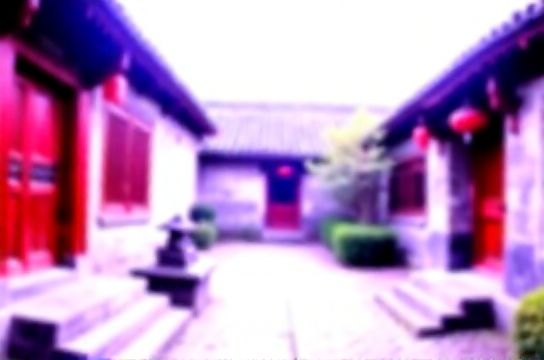
While everyone flocks to Lama Temple (Yonghegong), did you know there are over 240 lesser-known temple courtyards scattered across old Beijing? Many date back to the Ming and Qing dynasties and were once private family shrines or neighborhood prayer halls. Today, only a fraction remain active—but they’re golden if you know where to look.
Why These Hidden Temples Matter
These spots aren’t just quiet—they’re cultural time capsules. Unlike commercialized sites, they offer real glimpses into Beijing’s spiritual heartbeat. Locals still come here to pray before exams, light candles for ancestors, or simply meditate away city stress.
Here’s a quick comparison of three underrated gems:
| Temple Name | Founded | Location (Hutong) | Visitor Flow (Daily) | Best Time to Visit |
|---|---|---|---|---|
| Guanghua An | 1638 (Ming Dynasty) | Dashijie Hutong | <50 | 7–8:30 AM |
| Huayan Jing She | 1790 (Qing Dynasty) | Nanluoguxiang Side Lane | <30 | Weekday Mornings |
| Longfu Hermitage | 1521 (Ming Dynasty) | Jiudaowan Hutong | <20 | Sunrise |
See the pattern? These places see fewer than 50 visitors a day—some under 20. That’s compared to 12,000+ daily at Yonghegong. Want peace? This is it.
How to Find Them (Without Getting Lost)
Rule #1: Don’t rely on maps alone. Apps like Gaode or Baidu Maps sometimes label these as "residential zones." Your best bet? Walk early and look for subtle signs: a faded plaque, a bronze bell, or monks in gray robes slipping through side gates.
Pro tip: Visit during traditional festival periods like Qingming or Lunar July—the temples often open special prayer halls and serve free herbal tea.
Also, respect local etiquette. No loud talking, don’t point at altars, and always ask before photographing worshippers. In return, you might get invited to join a meditation circle—or share a cup of oolong with a temple keeper.
For deeper insight, check out the Beijing Folk Religions Archive, which documents over 80% of these courtyard temples as culturally protected spaces since 2018. That means they’re not going anywhere soon.
So next time you're in Beijing, skip the selfie lines. Turn down a narrow alley, breathe deep, and let the gong guide you. The real soul of the city isn’t in its palaces—it’s in these quiet corners, where history whispers instead of shouts.