
Shanghai Modern Culture: Where Tradition Meets Tomorrow
- Date:
- Views:240
- Source:The Silk Road Echo
When you think of China's pulse in the 21st century, one city screams louder than the rest — Shanghai. It’s not just China’s financial powerhouse; it’s a cultural playground where silk qipaos strut past LED-lit skyscrapers and tai chi meets techno beats by the Huangpu River.
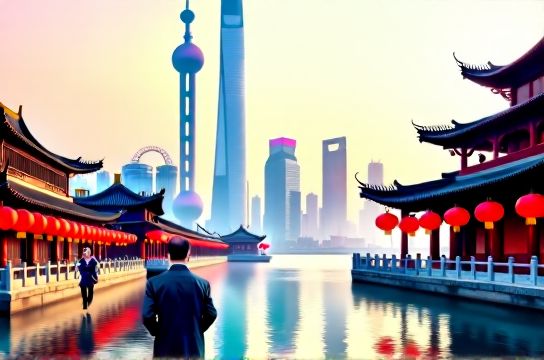
But what really makes Shanghai tick? Is it the futuristic skyline of Pudong or the quiet charm of its lilong alleyways? Let’s dive into how this megacity blends tradition with tomorrow, creating a culture that’s as dynamic as its skyline.
The Yin and Yang of Urban Life
Shanghai doesn’t choose between old and new — it wears both like designer twins. On one side, you’ve got the Bund: colonial-era buildings glowing at night, reflecting off the river like a vintage postcard. Just across? Pudong’s jaw-dropping skyline — home to the 632-meter Shanghai Tower, the second-tallest building in the world.
Here’s a quick snapshot of how tradition and innovation coexist:
| Cultural Aspect | Traditional Element | Modern Twist |
|---|---|---|
| Architecture | Lilong houses & Buddhist temples | Shanghai Tower & Super Brand Mall |
| Dining | Xiaolongbao at Lü Bo Lou | Michelin-starred molecular gastronomy |
| Entertainment | Kunqu opera performances | EDM festivals at Shanghai Indoor Stadium |
| Fashion | Silk qipaos | Local designers at Shanghai Fashion Week |
Culture That Never Sleeps
Walk into Tianzifang, and you’ll smell incense and artisan coffee in the same breath. This artsy maze of alleyways is where grandmas sell handmade dumplings two doors down from indie boutiques hosting vinyl DJ nights.
And let’s talk numbers: Shanghai boasts over 2,800 cultural venues, including 160+ museums and galleries — more than any other city in Asia. The Power Station of Art? A former power plant turned avant-garde exhibition hub. Talk about reinvention.
The Global Local
Shanghai isn’t just Chinese — it’s cosmopolitan. Over 200,000 expats call it home, bringing flavors, fashions, and philosophies from every corner of the globe. Yet, locals still gather in People’s Park for morning dance-offs and weekend matchmaking sessions — yes, parents swap their kids’ resumes like trading cards.
This fusion fuels creativity. Take fashion: during Shanghai Fashion Week, you’ll see hanfu-inspired streetwear paired with cyberpunk boots. Or music: traditional pipa players sampling beats in underground clubs.
Why It Matters
In a world racing toward automation and AI, Shanghai reminds us that progress doesn’t mean erasing the past. It means reimagining it. Whether you're sipping baijiu in a speakeasy hidden behind a noodle shop or riding the Maglev train at 430 km/h, you’re part of a living experiment in cultural evolution.
So next time you visit, don’t just snap photos of the skyline. Chat with a tea master in Jing’an Temple, catch an indie film in Xintiandi, or join a calligraphy workshop downtown. Because Shanghai’s real magic? It’s not in the neon lights — it’s in the conversation between centuries.