
China City Guide Highlights of Public Transport Systems
- Date:
- Views:264
- Source:The Silk Road Echo
If you're planning to explore China, one thing's for sure: mastering the public transport system can seriously level up your travel game. As someone who’s spent years navigating everything from Beijing’s subway rush hour to Shanghai’s slick maglev, I’ve got the inside scoop on how to ride like a local — fast, cheap, and without breaking a sweat.
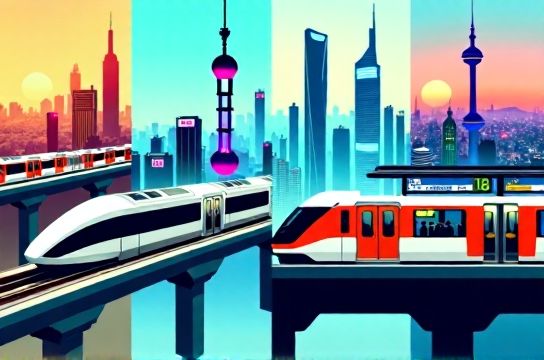
Why Public Transport in China is a Game-Changer
Forget taxis and ride-hailing during peak hours — China’s urban transit networks are not just efficient, they’re downright impressive. With over 6,000 km of metro lines across 40+ cities (and growing), it’s no wonder that more than 80% of commuters in cities like Guangzhou and Shenzhen rely on public transport daily.
The real win? Affordability and coverage. A single subway ride costs between ¥2–6 (~$0.30–0.85), and most tourist spots are within walking distance of a station. Plus, contactless payment via Alipay or WeChat Pay makes boarding seamless — no fumbling for change!
Top 4 Cities & Their Transit Stats Compared
Let’s break it down with some hard numbers. Here’s a snapshot of how China’s biggest cities stack up:
| City | Metro Length (km) | Lines | Daily Ridership (Million) | Top Feature |
|---|---|---|---|---|
| Shanghai | 831 | 20 | 10.3 | Longest metro globally |
| Beijing | 783 | 27 | 12.1 | Highest ridership |
| Guangzhou | 621 | 16 | 9.2 | Best airport link |
| Chongqing | 523 | 12 | 3.8 | Mountainous routes & monorail |
Source: China Urban Rail Transit Association (2023)
Pro Tips You Won’t Find in Guidebooks
- Beat the Rush: Avoid 7:30–9:00 AM and 5:30–7:00 PM if you hate packed trains. In Beijing, Line 1 during rush hour? It’s a sardine can.
- Use Metro Apps: Download Ditie Tong or use Baidu Maps — both offer real-time train arrivals and platform layouts.
- Transfer Smartly: Some stations, like Shanghai’s People’s Square, are massive. Check signs for “换乘” (transfer) and follow color-coded paths.
- Watch for Express Trains: On lines connecting airports (e.g., Guangzhou’s Line 3), not all trains go to the terminal — double-check displays!
The Hidden Gem: Chongqing’s Monorail
While Shanghai and Beijing grab headlines, Chongqing’s monorail slithering through skyscrapers is something else. The famous Liziba Station (Line 2) goes right through a residential building — yes, really. It’s a must-see and a perfect example of how China’s transit innovation adapts to tough terrain.
Final Verdict
Whether you're a tourist or a digital nomad, hopping on China’s public transport is your fastest ticket to authentic city life. With reliable service, wallet-friendly fares, and constant upgrades, it’s no surprise that urban mobility here ranks among the world’s best. So skip the cab, scan that QR code, and ride with confidence.