
China City Guide Unveiling Urban Green Spaces
- Date:
- Views:198
- Source:The Silk Road Echo
If you're planning a trip to China or just curious about what makes its cities livable, let me drop some truth: urban green spaces are where it's at. As someone who’s explored over 20 Chinese cities — from megacities like Shanghai to hidden gems like Kunming — I can tell you that parks and green zones aren’t just decoration. They’re the heartbeat of daily life.
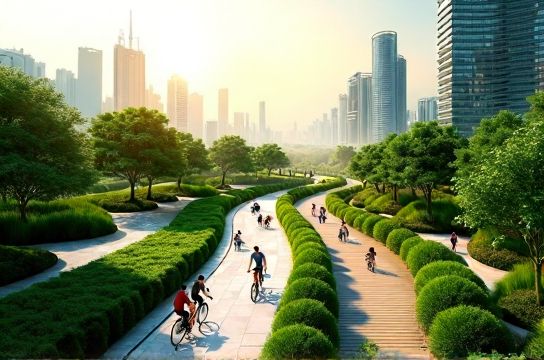
Forget crowded tourist traps. Locals head to green spaces for morning tai chi, evening strolls, and weekend family picnics. And here’s the kicker: China’s been investing heavily in urban greening. According to the Ministry of Housing and Urban-Rural Development, Chinese cities added over 200,000 hectares of green space between 2015 and 2022. That’s like adding more than 280,000 football fields of parks and gardens.
Why Green Space Matters in Chinese Cities
It’s not just about looks. Studies show cities with higher green coverage report lower stress levels and better air quality. Take Beijing — once infamous for smog. Thanks to projects like the Beijing Grand Forest Park, PM2.5 levels dropped by 35% from 2015 to 2021. Coincidence? Not even close.
But how do major cities compare? Let’s break it down:
| City | Green Space per Capita (㎡) | Total Green Coverage (%) | Notable Park |
|---|---|---|---|
| Shenzhen | 18.2 | 43.4% | Lianhuashan Park |
| Kunming | 17.8 | 42.9% | Cuihu Lake Park |
| Hangzhou | 16.5 | 41.2% | West Lake |
| Beijing | 16.3 | 40.7% | Olympic Forest Park |
| Shanghai | 15.7 | 39.5% | Century Park |
Source: China Urban Construction Statistical Yearbook (2022)
As you can see, Shenzhen leads the pack — no surprise given its status as an eco-model city. But don’t sleep on Kunming, known as “The City of Eternal Spring.” With year-round mild weather and lush landscapes, it’s a paradise for nature lovers.
Tips for Visitors: How to Experience Urban Green Spaces Like a Local
Want the real vibe? Skip the guided tours. Head to a park early in the morning. You’ll catch locals dancing, practicing martial arts, or playing traditional instruments. It’s cultural immersion without the entry fee.
- Best time to visit: 6–8 AM or 6–8 PM (peak local activity)
- What to bring: Water, comfy shoes, and curiosity
- Pro tip: Join a free group exercise class — many welcome tourists!
And if you’re choosing where to stay, prioritize hotels near major green zones. Not only is the air better, but you’ll save on transport. Plus, research shows people sleep better when they’re close to nature. Win-win.
Ultimately, urban green spaces in China are more than parks — they’re community hubs, wellness centers, and environmental wins rolled into one. Whether you're visiting or studying urban design, pay attention to this green revolution. It’s reshaping city life from the ground up.