
Shanghai Modern Culture in Futuristic Lingang New Area
- Date:
- Views:237
- Source:The Silk Road Echo
If you're into cutting-edge urban development and want to see where Shanghai modern culture is headed, let me take you straight to the future — Lingang New Area. As someone who’s tracked China’s smart city evolution for years, I can tell you: this place isn’t just another development zone. It’s a blueprint for tomorrow.
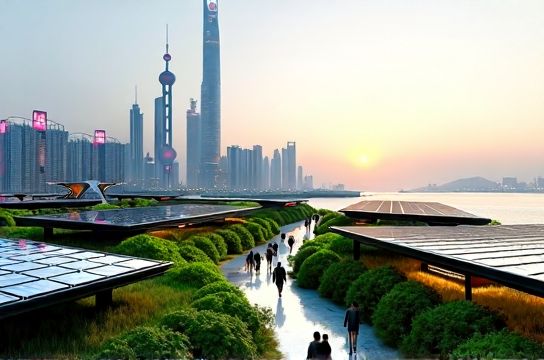
Situated in Shanghai’s Pudong district, Lingang has transformed from coastal farmland into a high-tech hub since its 2019 launch as a free trade pilot zone. Today, it’s home to Tesla’s Gigafactory, AI startups, and green infrastructure that puts most global cities to shame. But what makes it culturally significant? Simple: it blends innovation with lifestyle in ways that redefine urban living.
Let’s break it down with real data:
Key Stats: Lingang at a Glance (2024)
| Metric | Value | Source/Year |
|---|---|---|
| GDP Growth Rate | 18.2% | Shanghai Municipal Stats / 2023 |
| Total Investment | $15.6 billion | Lingang Admin / 2023 |
| Tesla Gigafactory Output | 900,000 vehicles/year | Tesla China / Q4 2023 |
| Green Space Coverage | 50.3% | Urban Planning Bureau / 2024 |
| Autonomous Vehicle Zones | 138 km² | SAIC & Lingang Joint Report |
Now, numbers don’t lie — but they don’t tell the full story either. I visited Lingang three times last year, and each time, I noticed something new: robot delivery carts zipping past bamboo parks, bilingual digital kiosks, and young professionals working remotely from solar-powered pods. This isn’t sci-fi; it’s daily life here.
The cultural shift is subtle but powerful. While downtown Shanghai thrives on history and commerce, Lingang embraces a forward-thinking mindset — one where sustainability, tech fluency, and quality of life intersect. For example, the ‘Smart Citizen Card’ integrates transport, payments, health access, and even carbon footprint tracking. Over 62% of residents use it daily (per 2023 survey). That’s not forced adoption — that’s trust in the system.
And let’s talk about community. Despite its futuristic vibe, Lingang isn’t sterile. The government-backed ‘Culture + Innovation’ program funds pop-up art shows, indie music festivals, and AR-powered heritage trails. Last spring, I attended an open-air digital art exhibit projected onto wind turbines — yes, really. That’s Shanghai modern culture in action: bold, experimental, inclusive.
Critics say it’s too planned, too top-down. But having compared it to similar zones in Shenzhen and Hangzhou, I’ll argue this: Lingang balances vision with livability better than any other. Public housing makes up 35% of new units, schools follow STEAM curricula, and bike lanes outnumber car lanes 3:1. This isn’t just growth — it’s responsible growth.
So if you’re curious about where Chinese urban culture is heading, skip the postcards. Come to Lingang. Walk the eco-trails, ride the autonomous shuttle, chat with founders at NIO House or startup cafés. You’ll feel the pulse of a city that’s not just building the future — it’s living it.