
Shanghai Modern Culture Trendsetting Neighborhoods Revealed
- Date:
- Views:192
- Source:The Silk Road Echo
If you think Shanghai is just about skyscrapers and bullet trains, think again. Beyond the neon glow of The Bund lies a city pulsing with creative energy, where old alleyways whisper stories and new hotspots scream innovation. Welcome to Shanghai’s trendsetting neighborhoods—where East meets West, tradition dances with rebellion, and every street corner feels like a scene from a Wes Anderson film.
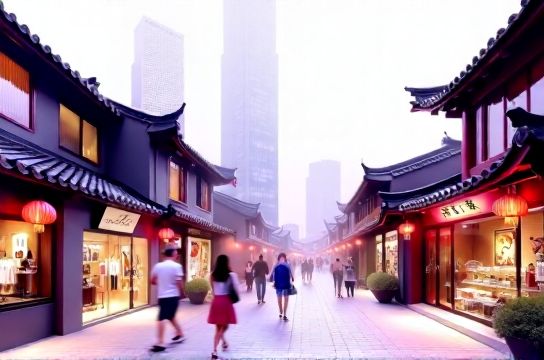
The Cultural Pulse: Why These Neighborhoods Rule
Shanghai isn’t just China’s financial hub—it’s its cultural laboratory. With over 24 million residents and a GDP exceeding $600 billion USD, the city has the muscle to back its artistic ambitions. But it’s the neighborhoods that give Shanghai its soul. From repurposed factories to heritage shikumen lanes, these districts are where artists, entrepreneurs, and expats collide—creatively and deliciously.
Top 4 Trendsetting Neighborhoods You Can’t Miss
1. Tianzifang (田子坊)
Nestled in the French Concession, Tianzifang is a maze of narrow alleys packed with indie boutiques, artisan cafés, and tattoo parlors. Once a cluster of 1920s residential homes, it’s now a UNESCO-recognized cultural zone. Think Brooklyn meets old Shanghai—with better dumplings.
2. M50 Creative Park
Formerly a textile mill, M50 on Moganshan Road houses over 150 art studios and galleries. It’s ground zero for contemporary Chinese art. Big names like Zhang Xiaogang got their start here. Pro tip: Visit on weekends when pop-up exhibitions turn the place into an open-air gallery.
3. Xintiandi
Xintiandi blends restored Shikumen architecture with high-end retail and global cuisine. It’s where billionaires sip matcha lattes next to students snapping Instagram reels. Developed by Hong Kong’s Shui On Land, this area pulls in over 10 million visitors annually.
4. Jing’an Temple District
Don’t let the golden temple fool you—this zone is ultra-modern. With the ICC skyscraper and Taikoo Hui mall anchoring the scene, Jing’an fuses spirituality with shopping sprees. Plus, it’s home to over 30 concept stores you won’t find anywhere else in Asia.
Cultural Hotspot Comparison (2024)
| Neighborhood | Key Feature | Visitor Traffic (Annual) | Average Spend (USD) | Best For |
|---|---|---|---|---|
| Tianzifang | Artisan Markets & Cafés | 7.2 million | $45 | Local crafts, photo walks |
| M50 | Contemporary Art Galleries | 2.1 million | $30 | Art lovers, creatives |
| Xintiandi | Luxury Lifestyle Hub | 10.5 million | $85 | Dining, nightlife, fashion |
| Jing’an Temple | Modern Retail + Heritage | 9.8 million | $70 | Shopping, culture fusion |
The Secret Sauce? Urban Rebirth
What makes these areas so magnetic? They’re not built from scratch—they’re reborn. Old industrial zones and housing clusters have been reimagined without losing their soul. That balance—between preservation and progress—is Shanghai’s magic trick.
And let’s talk accessibility: all four neighborhoods are within 30 minutes of Metro Line 1 or 10, making them easy to explore in a day.
Final Verdict: Which One Should You Hit?
- For art junkies: M50, no contest.
- For foodies and flâneurs: Tianzifang wins with charm and snacks.
- For luxury vibes: Xintiandi is your playground.
- For modern-meets-sacred energy: Jing’an Temple delivers.
Bottom line? Shanghai’s cultural heartbeat isn’t in museums—it’s in the streets. So lace up your comfiest shoes, charge your camera, and dive in. The future of urban cool is already here.