
Shanghai Modern Culture Seen Through Urban Renewal Projects
- Date:
- Views:220
- Source:The Silk Road Echo
If you've ever strolled through Xintiandi or sipped artisan coffee in a converted warehouse along the Suzhou Creek, you've touched the soul of Shanghai's urban renewal. It's not just about tearing down old buildings — it's about rewriting history with modern flair. Over the past two decades, Shanghai has transformed from a gritty industrial hub into a global cultural hotspot, and urban renewal projects have been its pen.
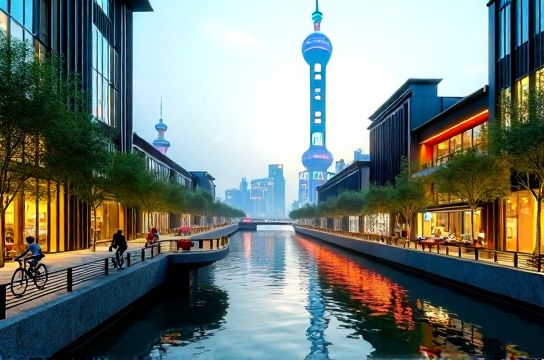
The Pulse of Progress: Numbers That Speak Volumes
Since 2000, Shanghai has invested over $30 billion USD in urban regeneration. More than 120 heritage blocks have been preserved or repurposed, blending historical architecture with contemporary lifestyles. These aren't just construction zones — they're cultural laboratories.
| Project | Year Completed | Investment (USD) | Visitor Count (Annual) |
|---|---|---|---|
| Xintiandi | 2001 | $180 million | 12 million |
| West Bund | 2015 | $900 million | 5 million |
| Suzhou Creek Revitalization | 2020 | $2.1 billion | 8 million |
Xintiandi: Where Shikumen Meets Starbucks
No discussion of Shanghai’s renewal is complete without Xintiandi. Once a warren of crumbling shikumen (stone-gate) houses, this district was reborn in 2001 as a lifestyle epicenter. Developed by Shui On Land, it merged traditional lane-house architecture with high-end retail and dining. Today, it’s a magnet for both tourists and locals — proof that preservation can be profitable.
But here's the twist: only 65% of original structures were kept. The rest? Carefully reconstructed to match the aesthetic. Critics call it 'Disneyfication.' Supporters say it saved heritage from demolition. Either way, Xintiandi sparked a citywide movement.
West Bund: Art on the Waterfront
Move west along the Huangpu River, and you’ll hit the West Bund — a former industrial wasteland now buzzing with art galleries, performance spaces, and green corridors. Think Tate Modern meets滨江绿道. Since 2010, over 2.5 million square meters of factory zones have been reimagined into cultural parks and creative hubs.
The West Bund Art & Design Fair, launched in 2014, now rivals Art Basel in influence. In 2023, it attracted 80,000 visitors and 170 international galleries. This isn’t gentrification — it’s cultural alchemy.
Suzhou Creek: From Sewer to Scene
Once so polluted it caught fire (!), Suzhou Creek is now one of Shanghai’s most desirable addresses. After decades of cleanup and redevelopment, abandoned textile mills house design studios, while riverside walkways draw joggers and photographers alike.
The transformation wasn’t easy. Over 2,000 households were relocated, and remediation took 15+ years. But today, property values near the creek have surged by 300%, and public access has increased tenfold.
Culture vs. Commerce: The Balancing Act
Of course, not all change is celebrated. Many long-time residents feel pushed out by rising rents. In some areas, authentic neighborhood life has given way to Instagrammable boutiques. Yet, the city has responded with policies promoting mixed-use development and affordable housing within renewal zones.
The key? Inclusive regeneration. Projects like Changde Apartment’s community garden show that modernization doesn’t mean erasing memory.
The Future Is Adaptive
Shanghai isn’t slowing down. Upcoming projects like Yangpu Riverside Innovation Zone aim to blend tech startups with historic wharves. The message is clear: progress doesn’t require erasure — it thrives on reinvention.
So next time you’re in Shanghai, skip the neon skyline for a moment. Walk the lanes, trace the brickwork, feel the pulse of a city rebuilding itself — one thoughtful block at a time.