
Chengdu Slow Living Unwind at Community-Run Teahouses
- Date:
- Views:173
- Source:The Silk Road Echo
If you've ever wondered how to truly slow down in Chengdu, skip the tourist traps and dive into the heart of Sichuanese daily life—community-run teahouses. These aren’t fancy, Instagram-bait cafés; they’re humble, steamy sanctuaries where locals sip tea, play mahjong, and gossip under the shade of old banyan trees.
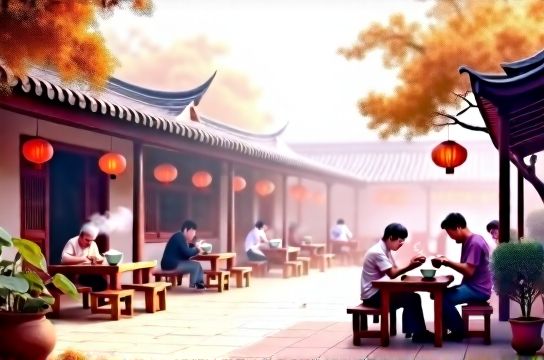
Chengdu isn’t just about pandas and spicy hotpot. It’s a city that breathes at its own rhythm—one measured in slow sips and lazy afternoons. And nowhere is this more evident than in its neighborhood teahouses, often tucked behind unmarked alleys or nestled in park corners.
Why Local Teahouses Beat Trendy Cafés
While bubble tea chains multiply like bamboo shoots after rain, traditional teahouses offer something rarer: authenticity. A cup of jasmine tea here costs as little as ¥3–5, compared to ¥30+ at downtown specialty cafes. But it’s not just about price—it’s about pace.
At spots like Pipa Lane Teahouse or Hongyun Teahouse near Wuhou Shrine, time slows. Retirees debate politics over leaf-stained tables. Grandmothers feed stray cats between rounds of xiangqi (Chinese chess). Kids chase each other past rows of bamboo chairs. This is real Chengdu living.
A Snapshot of Chengdu’s Teahouse Culture
To understand the scale and charm of these spaces, check out the data below:
| Teahouse Name | Location | Tea Price (RMB) | Seating Style | Local Crowd? |
|---|---|---|---|---|
| Pipa Lane Teahouse | Jinjiang District | ¥3 | Bamboo chairs, shared tables | ✅ Yes |
| Hongyun Teahouse | Near Wuhou Shrine | ¥5 | Outdoor garden setup | ✅ Yes |
| Kuanzhai Teahouse | Kuanzhai Alley (Tourist Zone) | ¥28 | Indoor, themed decor | ❌ Mostly tourists |
| Tianfu Square Teahouse | City center park | ¥6 | Folding chairs, open-air | ✅ Mixed crowd |
Notice a pattern? The cheaper the tea, the more authentic the vibe. Tourist-heavy spots charge premium prices but lack soul.
How to Experience It Like a Local
- Go early: Arrive by 9–10 AM to snag a shaded seat and watch morning routines unfold.
- Order simple: Stick to loose-leaf jasmine or green tea. No need for frills.
- Stay long: Locals linger for hours. Refills are often free or cost just ¥1 extra.
- Observe, don’t perform: Put your phone away. Just be. That’s the whole point.
These teahouses aren’t attractions—they’re community hubs. Many are run by neighborhood committees or elderly couples who’ve served the same streets for decades. Some don’t even have official business licenses. They exist because people show up, day after day.
The Deeper Brew: What Teahouses Say About Chengdu
In a world obsessed with productivity, Chengdu’s teahouses are quiet acts of resistance. They reflect a cultural value known as “paonongcha” (泡浓茶) — literally “soaking in strong tea,” but really meaning taking your time, socially and spiritually.
According to a 2023 survey by Sichuan University, 68% of Chengdu residents visit a local teahouse at least once a week—not for caffeine, but for connection. In contrast, only 29% go to commercial coffee shops regularly.
This isn’t nostalgia. It’s resilience. As cities modernize, these spaces preserve a way of life where relationships matter more than rush hours.
Final Sip
So next time you’re in Chengdu, skip the crowded wide alleys and neon-lit bars. Find a weathered wooden sign, follow the clatter of teacups, and pull up a chair. Let the city wash over you—one slow, fragrant sip at a time.
After all, in Chengdu, the best moments aren’t planned. They’re steeped.