
Shanghai Modern Culture Explored in Urban Landscapes
- Date:
- Views:202
- Source:The Silk Road Echo
Ever walked down Nanjing Road and felt like you've stepped into the future? Welcome to Shanghai, where skyscrapers kiss the clouds, street art whispers rebellion, and every alley tells a story of East-meets-West fusion. This isn’t just China’s financial powerhouse—it’s a living canvas of modern culture, shaped by rapid urbanization, bold architecture, and a youth-driven creative pulse.
Let’s break it down: Shanghai didn’t become Asia’s trendsetter overnight. Over the past three decades, its GDP has skyrocketed from ¥11.9 billion in 1990 to over ¥4.7 trillion ($660 billion) in 2023. That’s not just growth—that’s a cultural revolution fueled by money, migration, and mindset.
The Skyline Speaks Volumes
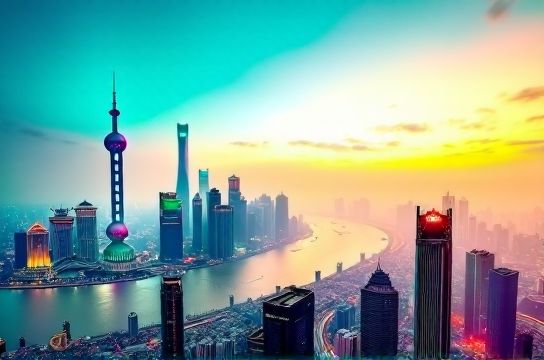
You can’t talk about Shanghai’s modern identity without staring up at Pudong. The Lujiazui Finance Zone is home to icons like the Shanghai Tower (632m), the second-tallest building in the world. But it’s not just height—it’s harmony. Traditional feng shui principles blend with futuristic design, making this skyline a symbol of balanced progress.
| Building | Height (m) | Year Completed |
|---|---|---|
| Shanghai Tower | 632 | 2015 |
| Shanghai World Financial Center | 492 | 2008 |
| Oriental Pearl Tower | 468 | 1994 |
This vertical ambition mirrors Shanghai’s psyche: always reaching higher, yet rooted in identity.
Art in the Alleyways
Step away from the gloss, and you’ll find Tianzifang and M50 Art District—creative hubs bubbling with indie galleries, pop-up cafes, and designers turning tradition on its head. M50, once a textile mill, now hosts over 130 studios. Foot traffic? Around 50,000 visitors monthly. That’s not just tourism; it’s cultural magnetism.
And let’s talk fashion. Shanghai Fashion Week draws over 80,000 attendees annually, with local labels like Social Tourist and Samuel Gui Yang redefining ‘Chinese cool.’ It’s no longer about copying Paris or Milan—it’s about setting the pace.
Digital Culture & Nightlife
In Shanghai, your phone opens doors. From Alipay-powered street food stalls to AI-guided museum tours, tech is woven into daily life. Over 92% of transactions are cashless—a stat that screams efficiency and forward-thinking.
Then there’s the nightlife. Forget quiet evenings. Xintiandi and The Bund light up with rooftop bars and underground clubs where DJs spin everything from techno to traditional guzheng remixes. One survey found that 68% of locals aged 18–35 go out at least twice a week. That’s a city that never really sleeps.
Culture Clashes & Coexistence
But here’s the real magic: old and new don’t compete—they collaborate. Take the Rockbund Art Museum, housed in a 1932 neoclassical building, now showcasing avant-garde installations. Or how Shikumen lane houses are reborn as boutique hotels and concept stores.
This balance isn’t accidental. City planners actively preserve heritage while pushing innovation. In fact, over 1,000 historical buildings have been retrofitted since 2010—proof that progress doesn’t mean erasure.
So, what’s the takeaway? Shanghai’s modern culture isn’t just shiny surfaces. It’s a dynamic dialogue between memory and momentum, where every district—from Jing’an’s luxury malls to Yangpu’s startup campuses—adds a verse to the city’s evolving anthem.
If you want to feel the future, walk the Huangpu River at dusk. Watch the Pudong towers glow against the colonial charm of The Bund. That contrast? That’s Shanghai. Not stuck between worlds—but mastering both.