
and the Quiet Beauty of Southern Jiangsu
- Date:
- Views:175
- Source:The Silk Road Echo
When you think of China, you might picture bustling cities like Beijing or Shanghai. But take a step off the beaten path, head south into Jiangsu province, and you’ll find a whole different vibe—one of calm waters, ancient bridges, and tea-scented breezes. Welcome to Wuxi, the underrated gem that quietly steals your heart.
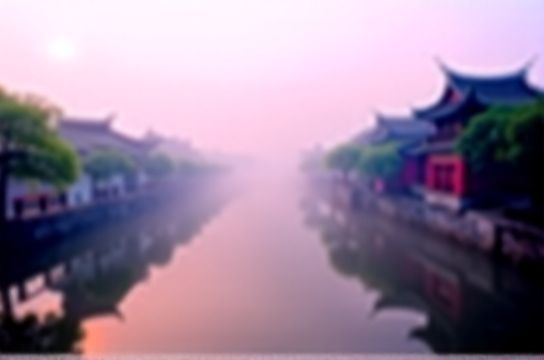
Tucked between Suzhou and Changzhou, Wuxi isn’t trying to be flashy. It doesn’t need skyscrapers or neon lights to impress. Instead, it leans into its natural charm—think misty mornings on Lake Tai, willow trees brushing the canals, and the soft chime of temple bells echoing through bamboo groves.
One of the best ways to experience Wuxi is by strolling along Lihu (Lake Li). Locals bike, jog, or just sit with a thermos of jasmine tea, soaking in the peace. In spring, the cherry blossoms at Binhu Park explode in soft pinks, drawing crowds who come not for partying, but for quiet appreciation. It’s the kind of place where time slows down, and honestly? We could all use a little more of that.
But Wuxi isn’t just about scenery. It’s got soul. The Ling Shan Grand Buddha stands tall, serene and watchful, surrounded by incense smoke and whispered prayers. Walk through the Xihui Park, and you’ll stumble upon the Huishan Ancient Town—stone pathways, family-run teahouses, and steaming baskets of xiaolongbao that taste like they’ve been perfected over centuries.
And let’s talk food. While nearby Suzhou gets the culinary spotlight, Wuxi serves up some seriously sweet-savory flavors. Its famous *bingyou* ribs? Sticky, tender, glazed in a sauce so rich it’ll make you close your eyes mid-bite. Pair that with a bowl of clear crab roe soup dumplings, and you’ve got a meal that comforts like a warm hug.
What makes southern Jiangsu special—especially Wuxi—is how it balances history with harmony. This region was part of China’s old canal culture, where boats carried silk and scholars wrote poetry under moonlit pavilions. Today, that legacy lives on, not in museums behind glass, but in everyday life: a boatman paddling through reeds, an elder practicing tai chi at dawn, the scent of lotus roots frying in a street-side wok.
You won’t find massive tourist traps here—at least not yet. Wuxi stays low-key, respectful of its roots. And maybe that’s why it feels so refreshing. In a world that’s always rushing, Wuxi whispers, ‘Slow down. Breathe. Look around.’
So if you’re planning a trip to China and want something beyond the usual checklist, give Wuxi a chance. Bring comfy shoes, a light jacket for lakeside evenings, and an open mind. You might just leave with a quieter heart and a deeper connection to the real China.