
China City Guide Uncover Authentic Life in Beijing and Shanghai
- Date:
- Views:263
- Source:The Silk Road Echo
Thinking about visiting China? Let’s cut through the tourist noise. Forget the crowded Forbidden City lines and overpriced bund night cruises. We’re diving into the real deal — what daily life *actually* feels like in Beijing and Shanghai, two of China’s most iconic cities. Spoiler: it’s way more than dumplings and skyscrapers.
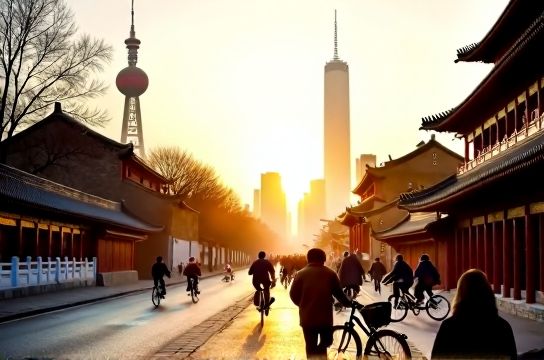
Beijing vs. Shanghai: Vibe Check
If Beijing were a person, it’d be your wise but stubborn grandpa — steeped in history, unapologetically traditional, and always up for a jiǎozi (dumpling) feast. Shanghai? That’s the sleek, fast-talking cousin who just got promoted at their finance job but still knows the best late-night soup dumpling spot.
Beijing runs on heritage. It’s where emperors ruled and revolution brewed. Shanghai breathes modernity — a dazzling blend of Art Deco charm and futuristic ambition.
Cost of Living: Wallet Reality Check
Tourists often miss how affordable China can be. But if you're staying longer or living like a local, here's a snapshot of monthly costs (in USD):
| Expense | Beijing ($) | Shanghai ($) |
|---|---|---|
| 1-Bedroom Apartment (City Center) | 850 | 950 |
| Meal at Local Eatery | 4 | 5 |
| Monthly Public Transit Pass | 15 | 18 |
| Coffee (Local Cafe) | 3.50 | 4.20 |
Bottom line? Shanghai’s slightly pricier, but both are bargain-friendly compared to Western cities.
Food: Beyond the Tourist Menus
In Beijing, skip the Peking duck chains. Head to Huguo Temple Snack Street at 7 a.m. and join locals slurping jiānbǐng — a crispy, eggy Chinese crepe that’s the ultimate breakfast hustle fuel.
Shanghai lives for xiǎolóngbāo (soup dumplings). Locals swear by Jia Jia Tang Bao near People’s Square — tiny space, huge flavor, zero frills.
Pro tip: Use Meituan or Dianping (China’s Yelp) to find top-rated local joints. Look for places packed with office workers at noon — that’s your authenticity meter.
Transport: How to Move Like a Local
Both cities have insane metro systems. Beijing’s is older, deeper (literally — some stations feel like bunkers), and covers 783 km. Shanghai’s is sleeker, hits 801 km, and glides with robotic precision.
- Subway Fare: $0.40–$1.50 per ride
- Payment: Use NFC on your phone (Apple Pay/Google Pay works) or buy a transportation card
- Peak Hours: 7:30–9:00 AM & 5:30–7:00 PM — avoid unless you love human sardine cans
Cultural Pulse: What Makes Each City Tick?
Beijing moves at its own pace. People argue passionately about history, politics, and the best place to fly kites in Temple of Heaven Park. It’s common to see retirees practicing tai chi at dawn or playing loud mahjong in courtyards.
Shanghai never sleeps — literally. The city hums with ambition. Co-working spaces stay open late, expat mixers pop up weekly, and weekend flea markets like ICIF showcase indie designers and craft coffee.
Hidden Gems You Won’t Find on Instagram
- Beijing: Wudaoying Hutong — quieter than Nanluoguxiang, full of indie cafes and bookshops.
- Shanghai: M50 Art District — a former textile mill turned gallery hub, perfect for edgy contemporary art lovers.
These spots aren’t secret, but they’re under the radar for most tourists. Go early Saturday morning and thank us later.
Final Verdict: Which City Should You Visit?
Pick Beijing if you want soul, history, and a slower rhythm. Choose Shanghai for energy, innovation, and skyline views that’ll steal your breath.
Or do both. They’re just 4.5 hours apart by high-speed rail (tickets from $70). That’s shorter than flying from NYC to Miami — and way more scenic.
China isn’t one story. It’s millions. Walk the hutongs. Ride the metros. Taste the street food. And let Beijing and Shanghai tell you theirs.