
Hidden Beijing: Unearthing Forgotten Temples and Underground Music Scenes
- Date:
- Views:247
- Source:The Silk Road Echo
When most people think of Beijing, they picture the Forbidden City, Tiananmen Square, or maybe a crowded hutong snack tour. But dig a little deeper—past the postcards and tour buses—and you’ll find a side of Beijing that few travelers ever see: forgotten temples tucked behind noodle shops, indie rock bands blasting through basement venues, and a city quietly humming with underground energy.
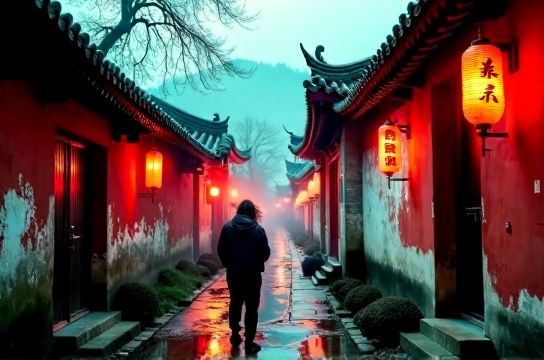
Let’s start with the hidden temples. Sure, you’ve seen the Temple of Heaven. But have you heard of Guangji Temple, half-buried in a residential alley near Fuxingmen? Or Longfu Temple, now disguised as a tea house with incense still curling from its back room? These spiritual holdouts survived centuries of change, only to be repurposed, forgotten, or quietly preserved by locals who never stopped believing. Some are so well-hidden, even taxi drivers scratch their heads when you ask for directions. That’s part of the charm—finding them feels like cracking a secret code.
Wander through neighborhoods like Dongsi or Xicheng, and you might stumble upon a crumbling gate leading to a courtyard where monks once meditated. Now, it could be someone’s laundry room—but the stone carvings, the faded murals, the quiet hush in the air? That’s history refusing to fade.
But Beijing’s underground isn’t just about the past—it’s also pulsing with the future. Head to live music spots like D-22 or Yugong Yishan (or their newer, more elusive successors), and you’ll find a generation of musicians rejecting pop polish in favor of raw, experimental sound. Think post-punk from Xinjiang, folk-electro fusions from Tibetan artists, or noise-rock trios screaming lyrics censored on mainstream platforms.
These gigs aren’t advertised on billboards. You hear about them through word-of-mouth, WeChat groups, or cryptic Instagram stories. Venues pop up in basements, old factories, even parking garages—temporary spaces that vanish as quickly as they appear, chased by noise complaints or local authorities. But that impermanence is part of the scene’s soul.
What ties these worlds together? A sense of resistance—not loud or political, but subtle. The quiet persistence of tradition in a modernizing city. The refusal of artists to be silenced or commercialized. It’s not rebellion; it’s resilience.
So skip the souvenir stands. Trade your guidebook for curiosity. Ask that barista if they know any 'weird shows' this weekend. Peek down that narrow alley with the red door. Hidden Beijing isn’t just off the map—it’s living, breathing, and waiting to be discovered by those willing to look.
This is a city of layers. Peel one back, and another appears. And honestly? The deeper you go, the better it gets.