
Shanghai Modern Culture Meets Artistic Innovation
- Date:
- Views:162
- Source:The Silk Road Echo
If you're craving a city where neon lights dance with ancient alleyways and cutting-edge art crashes into century-old traditions, welcome to Shanghai—China's cultural heartbeat. This isn't just a skyline of glass towers; it's a living canvas where modern culture and artistic innovation collide in the most electrifying ways.
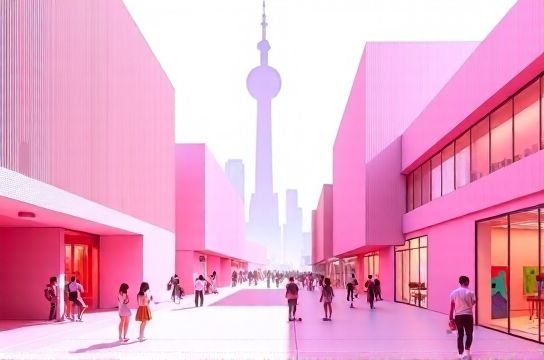
The Pulse of Urban Creativity
Walk through Xuhui or Jing'an, and you’ll feel it—the buzz of creative energy. Shanghai has transformed old industrial zones into artistic playgrounds. Take M50 Creative Park, once a textile mill, now housing over 130 galleries and studios. Over 60% of China’s top contemporary artists have exhibited here. That’s not just cool—it’s revolutionary.
Art Districts You Can’t Miss
Forget sterile white cubes. In Shanghai, art lives on streets, rooftops, and repurposed warehouses. Here’s where to go:
| District | Specialty | Visitor Traffic (Monthly) | Must-See Spot |
|---|---|---|---|
| M50 | Contemporary Chinese Art | 80,000+ | ShanghART Gallery |
| West Bund | Modern Museums & Sculpture Parks | 120,000+ | Long Museum West Bund |
| Tianzifang | Bohemian Craft & Design | 150,000+ | Lane 210 Workshops |
These spots aren’t just tourist traps—they’re incubators for bold ideas. The West Bund alone has hosted 14 international biennials since 2013, drawing curators from MoMA and Tate Modern.
Fusion in the Food & Fashion Scene
Art isn’t just visual—it’s tasted and worn. At Ultraviolet by Paul Pairet, dinner is a 20-course multisensory show where flavor meets projection mapping. Only 10 guests per night. Price? Around ¥6,000—but it’s ranked among the world’s top 50 restaurants.
Fashion rebels thrive too. Local labels like SHUSHU/TONG and Samuel Gui Yang blend Qing dynasty silhouettes with cyberpunk edge. They’ve stormed Paris Fashion Week, proving Shanghai’s design DNA is both rooted and radical.
Why Innovation Thrives Here
Let’s talk numbers. Shanghai invests over $2.3 billion annually in cultural infrastructure. By 2025, it aims to host 300+ international art events yearly. Add in a young, tech-savvy population—over 60% under 35—and you’ve got a perfect storm for creativity.
The city doesn’t just support art; it demands evolution. Apps like Duobaohui let locals crowdfund indie exhibitions. WeChat mini-programs turn subway stations into digital galleries. It’s art, democratized.
Final Thoughts: More Than a City, a Movement
Shanghai isn’t just keeping up with global art trends—it’s setting them. From underground performance labs in Fengtai Road to AI-curated exhibits at the Power Station of Art, this city proves that tradition and disruption can coexist beautifully.
So come with an open mind. Wander the alleys. Talk to the artists. Taste the future. Because in Shanghai, every corner whispers: “Create something new.”