
Neon Lights and Heritage: How Shanghai Balances Old and New
- Date:
- Views:235
- Source:The Silk Road Echo
When you think of Shanghai, what comes to mind? Sky-high skyscrapers? Neon-lit streets buzzing with energy? Or maybe the quiet charm of old stone gates and tree-lined alleys? The truth is, Shanghai is all of that—and more. It’s a city where futuristic towers stand shoulder-to-shoulder with century-old shikumen houses, where tradition doesn’t just survive—it thrives, right alongside cutting-edge modernity.
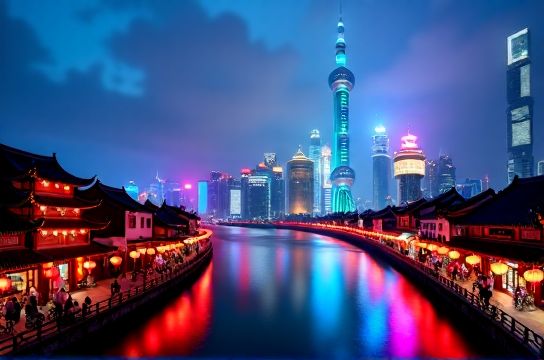
Take the Bund, for example. One side screams 21st-century ambition: Pudong’s skyline, crowned by the sleek Shanghai Tower, glitters like something out of a sci-fi movie. The other side? Colonial-era buildings whisper stories from the 1920s, their grand facades lit up at night like proud relics. Walk across the Huangpu River via the Nanpu Bridge, and you’re not just crossing water—you’re time-traveling between eras.
But Shanghai isn’t just about pretty postcard views. The real magic happens in the details. In neighborhoods like Tianzifang and Xintiandi, old lane houses have been transformed into hip cafes, boutique shops, and art galleries—yet they still keep their original brickwork and soul. You can sip a matcha latte in a 100-year-old courtyard while listening to jazz drift through bamboo trees. That’s the kind of vibe you can’t fake.
And let’s talk food. Where else can you grab xiaolongbao from a street vendor in Yangcheng Lane, then head to an upscale rooftop restaurant serving molecular gastronomy with a view of the Oriental Pearl Tower? Local flavors meet global trends on every block. Even traditional teahouses now offer Instagram-worthy presentations, blending heritage with today’s aesthetics.
The city’s secret? Respect. Shanghai doesn’t tear down the past to make room for the future—it reimagines it. Urban planners, architects, and locals alike value history, but they’re not stuck in it. Renovations follow strict guidelines to preserve architectural integrity, while public spaces encourage interaction between generations. Old becomes new again, without losing its identity.
Festivals are another perfect example. During Spring Festival, lanterns light up Yu Garden in dazzling displays, merging ancient symbolism with modern design. Meanwhile, nearby malls host K-pop pop-ups and digital art exhibits. Young and old, local and tourist—all coexist in this cultural mash-up.
Of course, it’s not always smooth sailing. Rapid development sometimes puts pressure on heritage sites, and gentrification debates pop up now and then. But overall, Shanghai sets a global standard for how cities can grow without forgetting where they came from.
So whether you're strolling through the French Concession on a rainy afternoon or catching a light show at Lujiazui, one thing’s clear: Shanghai isn’t choosing between old and new. It’s embracing both—with style, confidence, and a little sparkle.