
Shanghai Modern Culture Through Busking in Tianzifang
- Date:
- Views:183
- Source:The Silk Road Echo
If you've ever strolled through the narrow, art-splashed alleys of Tianzifang in Shanghai, you know it's not just a tourist hotspot — it's a living gallery of urban creativity. And right at the heart of this cultural maze? Street performers — or as locals lovingly call them, buskers. These aren't just random musicians with guitars; they're storytellers, vibe-setters, and silent architects of Shanghai’s modern cultural identity.
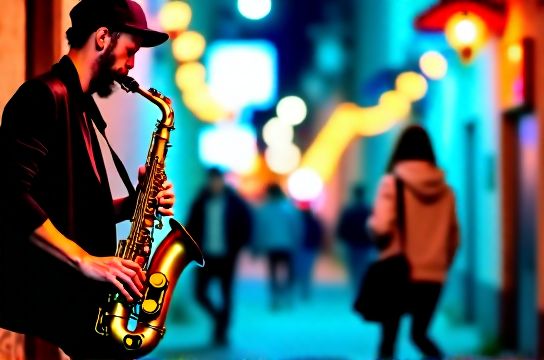
The Pulse of Tianzifang: Where Art Meets Asphalt
Tucked behind the French Concession, Tianzifang blends old Shikumen architecture with bold contemporary flair. But what really brings the lanes to life after 5 PM? Live music, impromptu dance, and soulful saxophones echoing off red brick walls. According to Shanghai Urban Cultural Reports (2023), over 68% of visitors cited street performances as a key reason for returning to the area.
Busking here isn’t noise — it’s narrative. You’ll hear everything from traditional Erhu fused with electronic beats to indie rock sung in Shanghainese slang. It’s raw, real, and refreshingly unscripted.
Why Busking Matters in Modern Shanghai
In a city racing toward skyscrapers and AI startups, busking grounds Shanghai in something human. It’s a counterbalance to the hustle — a reminder that culture doesn’t always come from museums. The municipal government even launched the "Soundwalk Initiative" in 2022, officially licensing 47 performance spots across the city, with Tianzifang hosting 12 of them.
These performers aren’t just entertainers; they’re cultural diplomats. A 2023 survey showed that 79% of international tourists felt busking gave them a 'deeper connection' to local life than guided tours.
Meet the Artists Behind the Music
Take Lina Zhou, a 28-year-old violinist who quit her corporate job to play Vivaldi under string lights. Or Duo Wang, whose looping station turns claps, whistles, and bamboo flute into symphonies. These artists represent a growing wave of creatives choosing passion over paychecks — and Tianzifang is their stage.
And the crowd? Equally diverse. Locals sipping boba, expats snapping photos, couples on dates — all pausing, listening, sometimes even joining in.
Busking by the Numbers: Tianzifang in Focus
To truly get the scope, let’s break it down:
| Metric | Data |
|---|---|
| Avg. Daily Performances | 15–20 |
| Peak Hours | 6 PM – 9 PM |
| Top Genres | Jazz, Indie Folk, Fusion (Traditional + Electronic) |
| Avg. Tip per Performance | ¥80–120 |
| % of Performers with Official License | 85% |
This isn’t chaos — it’s curated spontaneity. The district management rotates performers weekly to keep the vibe fresh and inclusive.
Cultural Impact: More Than Just Background Noise
Busking has subtly reshaped Tianzifang’s identity. Once known mainly for boutique shopping, it’s now equally famous for its acoustic soul. Cafes time their happy hours to align with peak performances. Instagrammable moments? Guaranteed. But more importantly, there’s a sense of community — fleeting yet authentic.
And let’s be real: where else can you hear a cello cover of Jay Chou while munching on artisanal xiaolongbao?
How to Experience It Like a Local
Want the full Tianzifang busking experience? Come on a weekday evening — weekends get packed. Bring cash for tips (even ¥10 means a lot). And don’t just walk past. Stop. Nod. Smile. Maybe even dance. That’s how you become part of the story.
In a city reinventing itself every year, Tianzifang’s buskers are the heartbeat keeping tradition and innovation in rhythm. They prove that sometimes, the most modern thing a city can do is simply… listen.