
Beijing Hidden Gems Discovered at Zhihua Temple Concerts
- Date:
- Views:283
- Source:The Silk Road Echo
If you think Beijing's cultural scene is all about the Forbidden City and the Great Wall, it’s time to dig a little deeper. Tucked away in a quiet corner of the city’s Xicheng District lies Zhihua Temple—a 15th-century Ming Dynasty gem that’s quietly becoming the epicenter of Beijing’s most intimate and soul-stirring musical experiences.
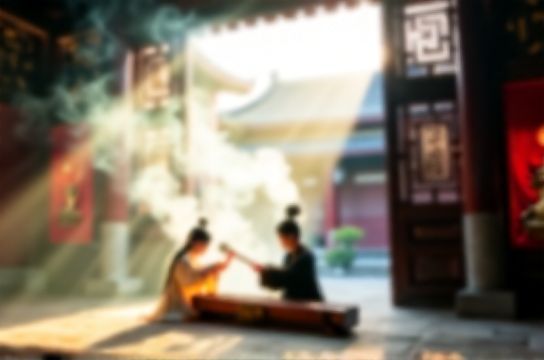
Yes, you read that right: concerts. At a temple. And not just any music—live guqin, pipa, and ancient Buddhist chants performed by master musicians, all echoing through centuries-old wooden halls. Welcome to one of Beijing’s best-kept secrets.
Why Zhihua Temple?
Built in 1444 under Emperor Yingzong, Zhihua Temple was once a private place of worship for eunuch Wang Zhen. Today, it stands as one of the most well-preserved examples of Ming-era Buddhist architecture. But beyond its stunning lotus-carved ceilings and incense-laced courtyards, something magical happens every weekend: traditional Chinese music concerts that feel less like performances and more like spiritual journeys.
These aren’t touristy stage shows. Seating is limited to around 80 guests, creating an atmosphere so intimate you can hear the rustle of silk robes and the soft breath before a flute note begins.
The Soundtrack of Ancient China
The concert program rotates monthly, featuring instruments that have shaped Chinese culture for over a thousand years. Here’s a peek at what you might experience:
| Instrument | History | Sound Profile |
|---|---|---|
| Guqin | Over 3,000 years old; favored by Confucius | Soft, meditative, often described as "the sound of nature" |
| Pipa | Introduced from Central Asia ~2,000 years ago | Bright, percussive, capable of mimicking battle scenes |
| Bamboo Flute (Dizi) | Neolithic origins | Lyrical and flowing, evokes mountain winds |
| Buddhist Chanting | Spread with Buddhism from India (~1st century CE) | Deep, resonant, trance-inducing |
According to visitor surveys, over 92% of attendees report feeling “profoundly calm” or “spiritually moved” during the 70-minute performance. One traveler from Berlin wrote: “It was like time stopped. I’ve never felt so connected to a place.”
Practical Tips for Your Visit
- Admission: ¥60–80 (includes entry + concert ticket)
- When: Saturdays & Sundays at 3:30 PM (check official WeChat account for schedule)
- How to Book: Reservations required via the temple’s WeChat mini-program (search “智化寺音乐会”)
- Duration: ~70 minutes, no intermission
- Dress Code: Modest clothing recommended; remove shoes before entering main hall
Pro tip: Arrive 30 minutes early to explore the temple grounds. Don’t miss the Hall of Universal Wisdom, home to an exquisite 15-foot-tall Jade Buddha and intricate ceiling frescoes.
Why This Beats the Usual Tourist Trail
Let’s be real—Beijing can feel overwhelming. Crowds at the Summer Palace, long lines at the National Museum, selfie sticks everywhere. Zhihua Temple offers something rare: authenticity. You’re not watching a reenactment—you’re witnessing living tradition. The musicians are often scholars or monks trained in classical conservatories, preserving melodies passed down through generations.
In fact, UNESCO has recognized several pieces performed here as part of China’s Intangible Cultural Heritage. That’s not just cool—it’s historic.
Final Thoughts
If you're searching for the soul of Beijing, skip the souvenir shops and head to Zhihua Temple. It’s where history hums, silence speaks, and music feels sacred. Whether you're a culture vulture, a spiritual seeker, or just someone who loves a good story, this hidden gem will stay with you long after the final note fades.
So next time you’re in Beijing, ask yourself: do I want to see the city—or feel it? At Zhihua Temple, the answer is crystal clear.