
From Temple Grounds to Trendy Lofts: Navigating Beijing’s Evolving Urban Identity
- Date:
- Views:250
- Source:The Silk Road Echo
Beijing isn’t just China’s political heartbeat—it’s a city caught in a stylish tug-of-war between ancient tradition and full-throttle modernity. Walk through the serene halls of the Temple of Heaven, where elders practice tai chi at dawn, then hop on the subway to Sanlitun, where neon-lit bars and designer boutiques pulse with after-work energy. This is Beijing today: a place where dynastic echoes meet drone deliveries.
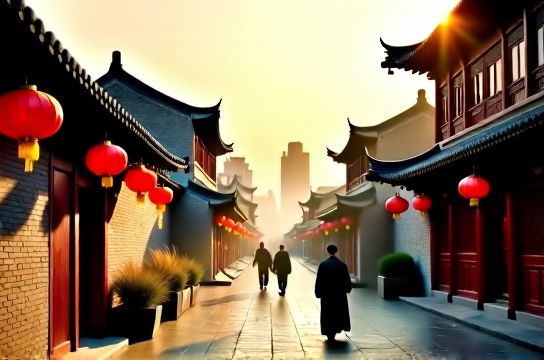
For centuries, Beijing was defined by its imperial layout—symmetrical, orderly, rooted in Confucian ideals. The Forbidden City stood as the ultimate symbol of power, while hutongs (narrow alleyways) housed generations of families living elbow-to-elbow in courtyard homes. These neighborhoods weren’t just places to live—they were social ecosystems, where gossip flowed over shared stoves and kids played mahjong under flickering streetlights.
But fast-forward to now, and things are shifting—fast. As China’s economy skyrocketed, so did the demand for modern urban living. Historic hutongs have been bulldozed to make way for glass towers, and old temples now sit surrounded by high-rises like time travelers lost in the future. Yet, instead of erasing the past, Beijing’s reinvention often repurposes it. Take the 798 Art District—a former factory complex turned hipster haven, where graffiti-covered walls host pop-up galleries and indie coffee shops brew oat lattes beside vintage propaganda posters.
And let’s talk real estate. "Trendy lofts" aren’t just a buzzword—they’re a lifestyle upgrade. Young professionals are ditching cookie-cutter apartments for converted industrial spaces with exposed brick, open floors, and Instagram-ready skylights. These lofts aren’t just homes; they’re statements. Living above a craft beer bar in Dashilar? That’s not just convenient—it’s cultural rebellion with central heating.
But it’s not all rooftop parties and artisanal dumplings. Gentrification is real, and rising rents push long-time residents to the city’s edges. The soul of Beijing risks getting priced out, replaced by sleek cafes that charge $6 for boba tea. Still, there’s hope. Grassroots movements are preserving hutong culture through community tours, local art projects, and even apps that map disappearing alleyways before they vanish forever.
What makes Beijing truly unique is its ability to layer identities without fully shedding any. You can sip Peking duck soup in a 300-year-old siheyuan-turned-bistro, then hail a Didi to a members-only club in a repurposed Soviet-style office block. The city doesn’t choose between old and new—it stacks them like pancakes at a breakfast stall.
So whether you're a history buff, a design geek, or just chasing the next cool vibe, Beijing invites you to wander—and wonder. It’s not about picking sides between temple grounds and trendy lofts. It’s about embracing the messy, beautiful clash that makes this city endlessly fascinating.