
Beijing Hidden Gems Discovered in Imperial Academy Ruins
- Date:
- Views:168
- Source:The Silk Road Echo
Nestled in the heart of Beijing, far from the tourist-packed lanes of the Forbidden City and the bustling crowds of Tiananmen Square, lies a quiet relic of China’s scholarly past — the ruins of the Imperial Academy (Guozijian). While most visitors rush to snap photos at the Great Wall or sip tea in hutongs, few realize that one of Beijing’s most profound cultural treasures hides in plain sight: an ancient center of learning where emperors once shaped the minds of imperial scholars.
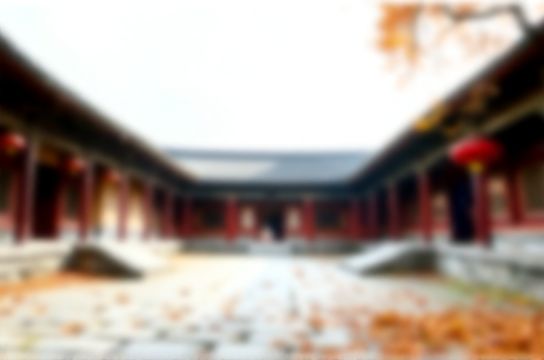
Let’s dive into this overlooked gem and uncover why the Imperial Academy deserves more than just a passing glance.
Why the Imperial Academy?
Established during the Yuan Dynasty (1271–1368) and later expanded under the Ming and Qing dynasties, the Guozijian was China’s highest institution of academic learning. Think of it as the ancient Ivy League — but with silk robes and calligraphy brushes instead of hoodies and laptops.
What makes it truly special? It’s not just history etched in stone; it’s a living testament to Confucian values, classical education, and architectural elegance. And unlike the overcrowded temples nearby, you can wander its courtyards in peaceful silence, soaking in centuries of wisdom.
Must-See Spots Within the Ruins
- Confucius Temple Adjacent: Often visited together, this temple honors the great philosopher with incense-lit halls and ancient steles.
- The Six Pavilions: Once classrooms for elite students, each pavilion represents a core subject — from classics to rituals.
- Stone Inscriptions Yard: Home to over 189 engraved tablets listing every Jinshi (top scholar) since the Tang Dynasty. Spot a familiar surname? You might be related to a genius from 1300!
Visitor Insights at a Glance
To help you plan your visit like a seasoned explorer, here’s a quick snapshot:
| Feature | Detail |
|---|---|
| Location | Dongcheng District, near Yonghegong Lama Temple |
| Opening Hours | 8:30 AM – 4:30 PM (Closed Mondays) |
| Admission Fee | ¥30 (Combined ticket with Confucius Temple: ¥50) |
| Average Visit Duration | 1.5 – 2 hours |
| Best Time to Visit | Weekday mornings (fewer crowds, soft light for photos) |
Pro Tips for Exploring Like a Local
Want the full immersive experience? Here’s how:
- Go early — beat the tour buses by arriving right at opening.
- Grab a guidebook or use an audio tour app; the symbolism in the carvings is mind-blowing once explained.
- Visit in autumn — golden ginkgo leaves blanket the courtyard, creating a scene straight out of a Chinese painting.
- Pair it with Yonghegong — they’re just a 5-minute walk apart. Spiritual enlightenment + scholarly vibes = perfect combo.
Final Thoughts
The Imperial Academy isn’t just ruins — it’s a portal to China’s intellectual soul. In a city racing toward the future, places like Guozijian remind us to pause, reflect, and honor the thinkers who laid the foundation.
So next time you're in Beijing, skip the selfie lines and step into the serene world of ancient scholars. Trust us, your Instagram feed — and your brain — will thank you.