
China City Guide Highlights of Dalian’s Colonial Architecture
- Date:
- Views:279
- Source:The Silk Road Echo
If you're into history, charm, and a little European flair in the middle of Northeast China, Dalian should be on your radar. Nestled along the Yellow Sea, this coastal gem isn’t just about seafood and beaches—it's a living museum of colonial architecture shaped by decades of foreign influence. From Russian domes to Japanese brickwork, Dalian wears its past like a well-tailored suit.
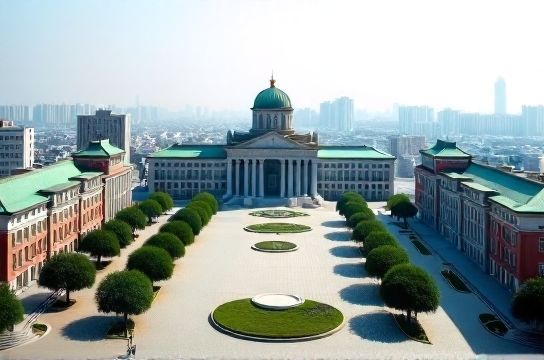
The Story Behind the Style
Dalian’s architectural identity was forged in the late 19th and early 20th centuries when it changed hands between Russia, Japan, and China. The Russians arrived first (1898), dreaming of a warm-water port. They laid out wide boulevards and built onion-domed buildings. When Japan took over (1905–1945), they added orderly grid plans and red-brick government structures. The result? A city where East meets West in brick, stone, and symmetry.
Must-See Colonial Hotspots
- Russian Street (Xinghai Square area): Not an official name, but a vibe. Look for pastel-colored buildings with arched windows and cupolas.
- Japan-era Police Station (now Dalian Police Museum): A striking red-brick building with clock tower—perfect for photos.
- Zhongshan Square: Ringed by eight historic buildings, each telling a different colonial tale—from banks to post offices.
Architectural Timeline & Influence Breakdown
| Era | Years | Key Features | Notable Examples |
|---|---|---|---|
| Russian | 1898–1905 | Onion domes, wooden balconies, pastel facades | Dalian Railway Station (original design) |
| Japanese | 1905–1945 | Red brick, symmetrical layouts, tiled roofs | Dalian City Hall (former Governor’s Office) |
| Post-Liberation | 1949–Present | Preservation + modern integration | Renovated Zhongshan Square buildings |
Fun fact: Zhongshan Square has 10 colonial-era buildings, most within steps of each other. Take a walking tour at sunset—the golden light on old yellow bricks? Chef’s kiss.
Why It Matters Today
In a country racing toward glass skyscrapers, Dalian holds onto its heritage. Over 70% of its colonial buildings are preserved, according to local urban planning reports. That’s rare. These aren’t relics hidden away—they’re banks, museums, cafes. History you can walk into.
Pro Tips for Exploring
- Wear comfy shoes—Dalian’s hilly, and you’ll be walking.
- Visit in spring (April–May) or autumn (September–October). Weather’s mild, crowds thin.
- Grab a coffee at a café inside a repurposed colonial building. Try Old Dalian 1905 near Zhongshan Square.
Dalian doesn’t shout its history—it whispers through cobblestones and cornices. Whether you're a photography lover, history buff, or just chasing that Insta-worthy corner, Dalian’s colonial architecture delivers. It’s not just a city; it’s a storybook written in brick.