
Beijing Hidden Gems in Beihai Park’s Less Traveled Paths
- Date:
- Views:183
- Source:The Silk Road Echo
When most travelers think of Beijing, the Forbidden City and the Great Wall dominate their itineraries. But tucked just west of the imperial palace lies a quieter masterpiece — Beihai Park. Often overshadowed by its famous neighbors, this 1,000-year-old imperial garden is a treasure trove of hidden beauty, serene lakes, and forgotten pavilions waiting to be explored.
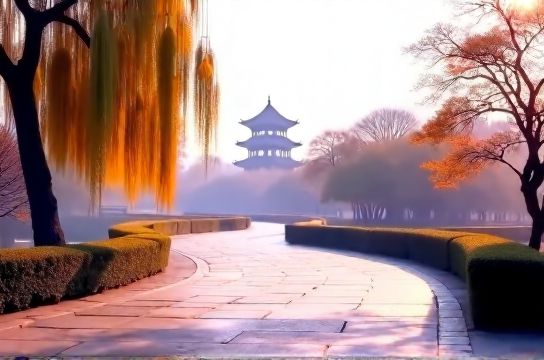
While crowds flock to the central isle and the iconic White Pagoda, few venture down the park’s less-traveled footpaths. That’s where the real magic happens. Let’s dive into some of Beihai Park’s best-kept secrets, complete with local insights, historical tidbits, and data you won’t find on generic travel blogs.
Why Beihai? By the Numbers
Established during the Liao Dynasty (907–1125), expanded under the Jin and perfected in the Qing, Beihai spans over 69 hectares, with nearly 40% covered by water. It’s one of China’s oldest and most well-preserved royal gardens.
| Feature | Detail |
|---|---|
| Year Opened to Public | 1925 |
| Average Daily Visitors | ~8,500 (off-peak) |
| Peak Visitor Season | April–October |
| Best Time to Visit | 7:00–8:30 AM |
| Entry Fee (Foreign Passport) | ¥15 (~$2.10) |
The Secret Spots Only Locals Know
1. The Nine-Dragon Screen’s Quiet Corner
Yes, the glazed-tile dragon wall is famous — but visit at sunrise, and you’ll have it all to yourself. Built in 1756, this 20-meter screen features nine fierce dragons rendered in over 270 colored tiles. Pro tip: Stand directly in front as the morning light hits — the shadows make the dragons look like they’re moving.
2. Flowery Shelter Island (Qionghua Island) – Back Trail
Everyone hikes up to the White Pagoda, but few take the narrow southern path lined with ancient pines. This route offers panoramic views of the lake without the selfie sticks. Look out for engraved stones from the Qianlong Emperor’s poetry — yes, emperors wrote love letters to scenery.
3. The Forgotten Imperial Boathouse
Nestled near the northwest corner, this weathered wooden structure was once used by Qing royalty for moon-viewing cruises. Now, it’s mostly ignored, making it perfect for a quiet moment — or that effortlessly artsy photo.
Cultural Gems Off the Beaten Path
Did you know Beihai inspired the design of颐和园 (Summer Palace) and even Central Park in New York? Its layout follows ancient Chinese cosmology — water represents eternity, islands symbolize paradise.
Visit the Pavilion of Heart Cultivation (Xichun Pavilion), rarely listed in guidebooks. Once a meditation spot for Empress Dowager Cixi, it now hosts elderly locals practicing tai chi in silk robes. Join them for 30 minutes — no invitation needed.
Pro Tips for the Savvy Explorer
- Go early — beat tour groups and catch mist rising off the lake.
- Bring cash — the ¥15 entry doesn’t accept foreign cards.
- Wear comfy shoes — cobblestone paths are charming but unforgiving.
- Try the lotus tea sold near the east gate — harvested from the park’s own blooms.
In a city racing toward the future, Beihai Park remains a breath of slow, poetic air. Skip the queues. Wander the quiet lanes. Let history whisper through willow trees. This isn’t just sightseeing — it’s soul-finding.