
China City Guide to Architectural Wonders in Shenzhen
- Date:
- Views:210
- Source:The Silk Road Echo
Shenzhen isn’t just China’s tech powerhouse—it’s a playground of futuristic architecture and bold urban design. From gravity-defying skyscrapers to eco-conscious cultural hubs, this city screams innovation at every corner. If you're into jaw-dropping buildings that blend art, engineering, and sustainability, Shenzhen should be top of your travel list.
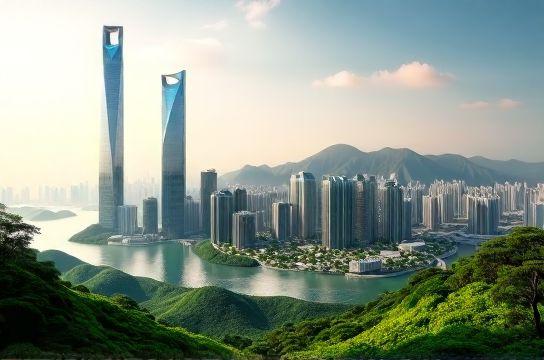
The Skyline That Touches the Future
Let’s start with the crown jewel: Ping An Finance Centre. Standing at a dizzying 599 meters, it's the second-tallest building in China and one of the top 10 tallest in the world. Completed in 2017, this supertall skyscraper isn’t just about height—it’s a marvel of engineering with wind-resistant damping systems and energy-efficient glass facades.
| Building | Height (m) | Floors | Year Completed |
|---|---|---|---|
| Ping An Finance Centre | 599 | 115 | 2017 |
| Shun Hing Square | 384 | 69 | 1996 |
| CITIC Tower (China Resources Headquarters) | 392 | 79 | 2018 |
| Tencent Binhai Mansion | 248 | 50 | 2017 |
But Shenzhen’s skyline isn’t just about being tall—it’s about being smart. Take the Tencent Binhai Mansion, designed by NBBJ. Its twin towers are connected by sky bridges and packed with AI-driven climate control and lighting systems. It’s like living inside a giant iPhone.
Culture Meets Concrete: Design With Soul
Not all architectural wonders here are corporate giants. The Shenzhen & Hong Kong Bi-City Biennale of Urbanism\/Architecture (UABB) transforms old industrial zones into immersive art experiences. Held in venues like the abandoned dockyards of Shekou, UABB turns decay into dialogue—literally.
Then there’s the Vanke Center by Steven Holl Architects. This horizontal skyscraper—yes, you read that right—spans 1.5 kilometers and floats on massive pylons. Dubbed the “horizontal摩天楼,” it’s a statement against vertical obsession, promoting green space and pedestrian flow.
Sustainability in Steel and Glass
Shenzhen leads China in green building standards. Over 40% of new constructions meet national green certification, thanks to policies pushing solar integration, rainwater harvesting, and smart grids.
The Shenzhen Energy Mansion is a prime example. Its twisting form isn’t just for looks—it reduces wind load and maximizes solar gain. The building’s LED façade displays real-time energy usage, turning data into public art.
Hidden Gems Beyond the Glass Giants
Wander into OCT-LOFT, a creative enclave built from old factory spaces. Here, Bauhaus-style brick structures host indie galleries, craft cafes, and design studios. It’s where Shenzhen’s soul lives—raw, creative, and unpolished.
And don’t miss the Sea World Culture and Arts Center, designed by Fumihiko Maki. Nestled by the waterfront, its minimalist lines and open courtyards invite quiet reflection amid the urban rush.
Final Thoughts: More Than Just a Tech Hub
Shenzhen proves that rapid growth doesn’t have to mean soulless sprawl. Its architecture tells a story of ambition, sustainability, and cultural reinvention. Whether you’re an architecture nerd or just love cool photo spots, this city delivers.
So next time you think of China’s great architectural cities, don’t just say Beijing or Shanghai. Say Shenzhen—the city that built the future, one bold blueprint at a time.