
City Rhythms: Navigating the Contrasts of Modernity and Tradition in China’s Urban Landscapes
- Date:
- Views:187
- Source:The Silk Road Echo
Ever walked down a street in Shanghai and suddenly found yourself staring at a 3,000-year-old temple tucked between glass skyscrapers? That’s China for you — where the future and the past aren’t just coexisting, they’re practically dancing together. Welcome to the rhythm of Chinese cities, where bullet trains zip past ancient alleyways and street vendors serve baozi steps away from luxury fashion boutiques.
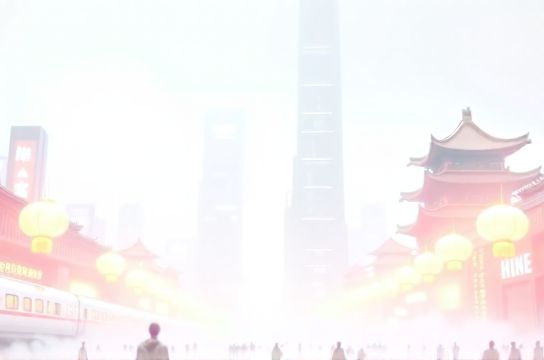
China’s urban transformation over the last few decades has been nothing short of mind-blowing. Cities like Beijing, Shenzhen, and Chengdu have exploded into global tech and cultural hubs. Skyscrapers shoot up like bamboo after rain, and subway systems rival — or even outshine — those in Europe. But here’s the twist: amid all this shiny newness, tradition isn’t just surviving — it’s thriving.
Take Beijing’s hutongs. These narrow alleyways, once the backbone of old Beijing life, are now hipster hotspots with craft coffee shops and indie art galleries. Yet, if you peek behind a red wooden door, you might catch an elderly couple practicing tai chi in a quiet courtyard, just like generations before them. It’s not nostalgia — it’s balance.
And let’s talk about food. In Guangzhou, you can order dim sum on your smartphone from a Michelin-recommended restaurant, then walk five minutes to a steamy street stall run by the same family for four generations. The flavors? Just as rich, just as real. This blend of high-tech convenience and deep-rooted culture is what makes China’s cities so uniquely alive.
Even architecture tells this story. Hangzhou’s West Lake blends seamlessly with modern design, while Xi’an proudly guards its Terracotta Warriors just miles from a booming innovation district. These contrasts don’t clash — they complement. It’s like the city itself is saying: 'We respect where we came from, but we’re not stuck there.'
The younger generation is driving much of this fusion. They wear traditional qipaos for festivals but spend weekends in VR arcades. They use WeChat to pay for everything — from bike rentals to temple donations. For them, modernity doesn’t erase heritage; it reimagines it.
So what’s the secret behind this urban harmony? It’s intention. City planners, architects, and local communities are increasingly working together to preserve cultural identity while embracing progress. Green spaces, protected heritage zones, and public art projects keep the soul of the city intact, even as it grows taller and faster.
At the end of the day, China’s cities aren’t choosing between old and new — they’re remixing them. And that’s what makes walking through them such a sensory thrill. One moment you’re in a futuristic mall with holographic ads, the next you’re sipping jasmine tea in a Ming-style garden.
This isn’t just urban development — it’s urban poetry. A rhythm built on contrast, powered by pride, and felt in every street corner, night market, and shared smile between generations.