
Unearth History With a China City Guide in Old Towns
- Date:
- Views:231
- Source:The Silk Road Echo
Ever strolled down cobbled lanes where every stone whispers secrets from centuries ago? Welcome to China’s old towns — living time capsules where history isn’t just preserved, it’s lived. Forget sterile museums and dusty textbooks. Here, you’ll find ancestral temples still echoing with morning chants, wooden houses leaning like old storytellers, and locals frying dumplings the same way their great-grandparents did.
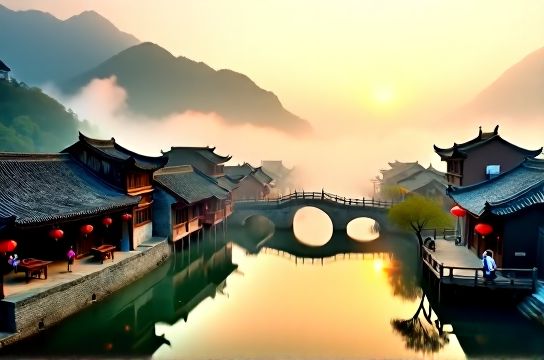
If you're craving authenticity, skip the megacities for a moment. Swap neon lights for lantern-lit alleys. We’re diving into four of China’s most captivating historic towns — each with its own flavor, charm, and bucket-load of heritage.
Why Old Towns Are China’s Hidden Gems
While Beijing and Shanghai dazzle with modernity, the soul of Chinese culture pulses strongest in its ancient towns. These places offer more than photo ops — they deliver connection. According to UNESCO, over 300 traditional settlements in China are at risk of fading due to urbanization. But many, like those below, remain vibrant thanks to preservation efforts and cultural pride.
The Must-Visit Old Towns & What Makes Them Shine
| Town | Province | Founded | UNESCO Status | Key Feature |
|---|---|---|---|---|
| Lijiang Ancient Town | Yunnan | 13th Century | Yes (1997) | Naxi culture, canals, mountain backdrop |
| Fenghuang Ancient Town | Hunan | Ming Dynasty | No | Stilted houses over Tuo River |
| Zhouzhuang Water Town | Jiangsu | 1086 AD | No | 'Venice of the East', 14 old bridges |
| Xidi & Hongcun | Anhui | Song Dynasty | Yes (2000) | Huizhou architecture, yin-yang layout |
Lijiang – Where Naxi Culture Lives On
Nestled in Yunnan’s Jade Dragon Snow Mountain shadow, Lijiang isn’t just pretty — it’s powerful. The Naxi people have kept their Dongba script alive here, one of the last pictographic writing systems in the world. Wander through四方街 (Sifang Street), sip Pu’er tea in a courtyard guesthouse, or catch a Naxi music performance at dusk.
Fenghuang – Poetry on the Tuo River
Fenghuang feels like a scroll painting sprung to life. Wooden stilt houses cling to cliffs above the emerald Tuo River, while Miao and Tujia minorities add rich textile traditions. Take a night boat ride — lanterns reflect off the water like stars fallen to earth. Pro tip: Visit during spring (March–May) to avoid summer crowds and humidity.
Zhouzhuang – Glide Through Time
Just 1 hour from Shanghai, Zhouzhuang proves you don’t need remoteness for authenticity. With canals crisscrossing the town and gondola-style boats paddling past Ming-era homes, it’s no wonder artists and poets have flocked here for centuries. Rent a boat at dawn — you’ll have the misty waterways almost to yourself.
Xidi & Hongcun – Harmony in Stone and Water
These Anhui gems look like they were designed by feng shui masters — because they were. Built during the Song Dynasty, their layouts follow cosmic balance principles. Hongcun’s moon-shaped lake reflects white-walled, gray-tiled homes like a dream. Both villages inspired scenes in *Crouching Tiger, Hidden Dragon*.
Travel Tips That Actually Help
- Go early or late: Arrive by 7 AM to beat tour groups.
- Stay overnight: Most towns glow after dark — literally and figuratively.
- Eat local: Try Lijiang’s yak butter tea, Fenghuang’s spicy fish soup, or Zhouzhuang’s braised pork belly.
- Respect rituals: Ask before photographing locals, especially elders.
China’s old towns aren’t frozen in time — they’re evolving, gently. They invite you not just to look, but to listen, taste, and feel history beneath your feet. So lace up your walking shoes and let the past guide your next adventure.