
Beyond the Tourist Trail: Discovering Beijing’s Underground Art Scene
- Date:
- Views:205
- Source:The Silk Road Echo
Forget the Forbidden City for a sec—Beijing’s real creative pulse? It’s underground, raw, and wildly exciting. While most tourists snap photos at the Great Wall, a whole other side of the city is buzzing in hidden alleys, repurposed factories, and dimly lit basements. Welcome to Beijing’s underground art scene—a world where graffiti tags meet traditional ink, experimental music echoes through warehouse halls, and no one’s playing by the rules.
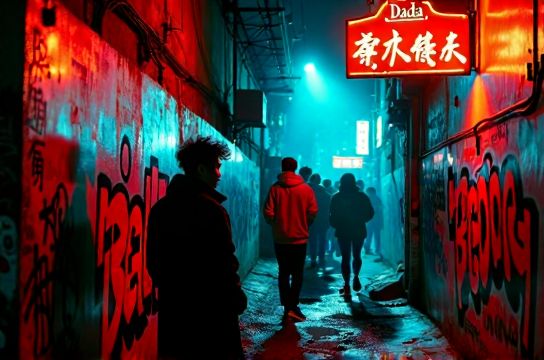
Tucked away in the 798 Art Zone’s shadow (yes, it started there but quickly outgrew it), you’ll find DIY galleries with names like Arrow Factory and Tag Art Museum. These aren’t your typical white-cube spaces. Think cramped storefronts, pop-up exhibits in parking lots, and installations so edgy they’d never make it past a government permit. Artists here mix satire, tech, and street culture to say what they can’t in public—often with a wink and a middle finger.
But it’s not all visual art. Head over to Dada Beijing in the northeast part of the city, a legendary dive bar that’s been the breeding ground for indie rock, noise punk, and electronic beats since 2006. No VIP sections, no bottle service—just sticky floors, cheap beer, and bands that sound like nothing you’ve heard back home. On any given night, you might catch a Mongolian throat singer looping beats or a feminist spoken-word poet screaming into a mic.
Then there’s the street art. While spray paint is technically illegal, crews like Upgun and Ghost have turned forgotten walls in neighborhoods like Caochangdi and Heiqiao into open-air galleries. You won’t find Mickey Mouse here—these murals tackle censorship, urbanization, and identity with bold strokes and darker humor. Bring your camera, but keep it low-key; some pieces vanish overnight.
What makes this scene truly special is its resilience. With little funding and constant pressure, artists rely on word-of-mouth, WeChat groups, and underground zines to survive. Events are announced last-minute, often in code. One night it’s a performance art dinner in a rooftop hutong kitchen; the next, a VR poetry slam in an abandoned subway tunnel.
Sure, it’s not polished. That’s the point. This isn’t art made for Instagram likes or auction records—it’s art made because they *have* to make it. And that urgency? That passion? It’s contagious.
So next time you’re in Beijing, skip the souvenir shops. Ask a local about the latest ‘secret’ show. Follow the bass thump down a dark alley. You might just walk into something unforgettable—something real.