
Shanghai Modern Culture Design Districts Shaping the Future
- Date:
- Views:200
- Source:The Silk Road Echo
If you're into art, design, and all things creatively urban, Shanghai's modern culture design districts are where the magic happens. These vibrant neighborhoods aren’t just about pretty facades—they’re redefining city life, blending heritage with innovation, and turning old industrial zones into creative playgrounds.
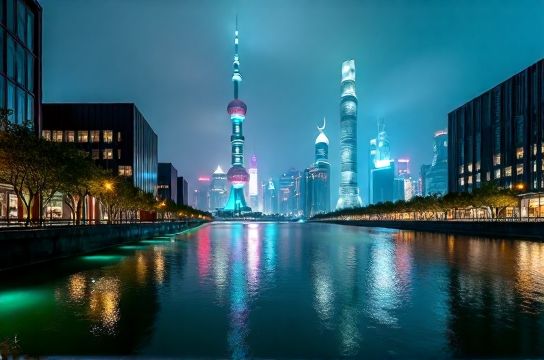
From Xuhui滨江 (West Bund) to M50 in Moganshan Road, these hubs attract artists, architects, startups, and global brands alike. But what makes them truly special? Let’s dive deep into the pulse of Shanghai’s cultural evolution.
The Rise of Creative Clusters
Once abandoned factories now house cutting-edge galleries, co-working spaces, and concept cafes. According to Shanghai Municipal Culture Bureau, over 78% of registered creative parks were transformed from industrial relics between 2010–2023. That’s not just reuse—it’s reinvention.
Take the West Bund Cultural Corridor, for example. Spanning 9 kilometers along the Huangpu River, it’s home to world-class institutions like Long Museum, Yuz Museum, and Tank Shanghai. In 2023 alone, this zone welcomed over 2.1 million visitors, making it one of China’s most dynamic art destinations.
Top 4 Design Districts You Can’t Miss
Here’s a quick breakdown of the hottest creative zones shaping Shanghai’s future:
| District | Key Features | Annual Visitors (2023) | Notable Spaces |
|---|---|---|---|
| West Bund | Riverside art museums & tech innovation | 2.1M+ | Long Museum, Tank Shanghai, AI Plaza |
| M50 Creative Park | Artist studios & indie galleries | 800K+ | ShanghART Gallery, OCAT |
| Found 158 | Underground culture & nightlife | 600K+ | Arkham, ALL Club, Base |
| Qishan Lake Design Hub | Sustainable architecture & R&D | 300K+ | Tongji University Labs, Archi-Union Architects |
These spots aren’t just tourist traps—they’re living ecosystems where creativity meets commerce. For instance, M50 hosts over 120 independent art studios, many run by emerging Chinese contemporary artists who’ve gained international acclaim.
Why They Matter: Culture Meets Urban Revival
Shanghai’s design districts do more than look cool—they drive economic growth and social engagement. A 2023 report by Deloitte China found that every yuan invested in cultural regeneration returns 3.4 yuan in local GDP impact. Plus, they create jobs: the creative sector now employs over 280,000 people in Shanghai alone.
Beyond numbers, these spaces foster community. Street festivals, pop-up exhibitions, and open studio nights turn passive viewers into active participants. It’s culture with a heartbeat.
Pro Tips for Exploring Like a Local
- Go early Saturday: Beat the crowds at West Bund galleries.
- Grab coffee at Side Effect in M50—best brew and bookshop combo.
- Check event listings on SmartShanghai or WeChat public accounts.
- Rent a bike—the West Bund Greenway is perfect for scenic rides.
In short, Shanghai’s modern culture design districts aren’t just shaping the city’s skyline—they’re shaping its soul. Whether you’re an art lover, entrepreneur, or curious traveler, these zones prove that the future of urban life is creative, connected, and undeniably cool.