
China City Guide: Comparing Public Transport Systems in Major Chinese Cities
- Date:
- Views:186
- Source:The Silk Road Echo
When it comes to getting around China, you're not just hopping on a bus or subway—you're diving into one of the most advanced, high-speed urban transit ecosystems on the planet. Whether you're a digital nomad, an expat, or a curious traveler, understanding how public transport works across major Chinese cities can seriously level up your experience.
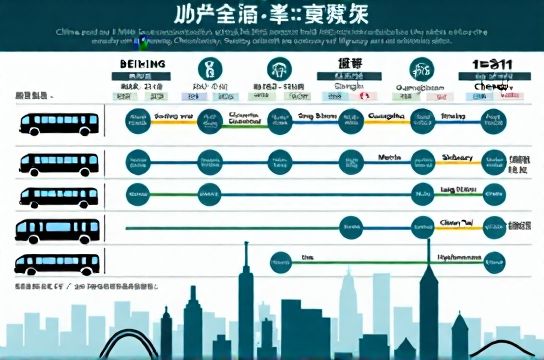
Why China's Transit Game Is Strong
China isn't just building more trains and buses—it's redefining urban mobility. With over 600 million daily public transit trips, the country leads the world in mass transportation efficiency. But which city really takes the crown?
The Big Players: Beijing, Shanghai, Guangzhou, Shenzhen & Chengdu
Let’s break down five of the biggest cities by metro performance, affordability, coverage, and tech integration.
| City | Metro Length (km) | Daily Ridership (Million) | Fare Range (CNY) | First/Last Train |
|---|---|---|---|---|
| Beijing | 783 | 12.5 | 3–9 | 5:00 AM – 11:30 PM |
| Shanghai | 831 | 10.8 | 3–10 | 5:30 AM – 12:00 AM |
| Guangzhou | 621 | 9.2 | 2–12 | 6:00 AM – 11:30 PM |
| Shenzhen | 431 | 7.6 | 2–10 | 6:30 AM – 11:00 PM |
| Chengdu | 558 | 6.3 | 2–8 | 6:10 AM – 11:00 PM |
So Who Wins?
Shanghai edges out with the longest metro network and midnight service—perfect for night owls. Beijing packs the highest ridership, but prepare for crowds during rush hour. Guangzhou offers great value with lower starting fares. Shenzhen is growing fast, while Chengdu balances comfort and charm with fewer tourists crammed in.
Tech That Makes Life Easier
Forget paper tickets. In every major city, just scan your phone. Apps like Alipay and WeChat Pay let you generate QR codes for subways and buses instantly. No wallet? No problem.
And if you’re worried about language, most stations now have English signage and voice announcements—especially in central business districts and tourist zones.
Buses, Bikes & Beyond
Metro isn’t everything. Cities like Beijing and Shanghai run all-electric bus fleets, cutting emissions and noise. Meanwhile, shared e-bikes from Meituan and Hellobike are everywhere—ideal for last-mile travel.
Pro tip: Use Baidu Maps or Amap (in Chinese) for real-time routing that combines subway, bus, walking, and bike options—all in one plan.
The Bottom Line
China’s public transport isn’t just functional—it’s futuristic. Whether you're chasing skyline views in Shanghai or street food in Chengdu, the ride there is smooth, cheap, and surprisingly smart. Just hop on, scan in, and enjoy the flow.