
China City Guide: Understanding Green Spaces in China’s Smart Cities
- Date:
- Views:197
- Source:The Silk Road Echo
If you've ever strolled through Shanghai's Xuhui滨江 or marveled at Shenzhen's sky-high vertical gardens, you’ve already brushed shoulders with China’s bold new vision: smart cities wrapped in green. But what exactly makes a city both smart and sustainable? Let’s dive into how China is blending cutting-edge tech with lush landscapes to create urban oases that breathe.
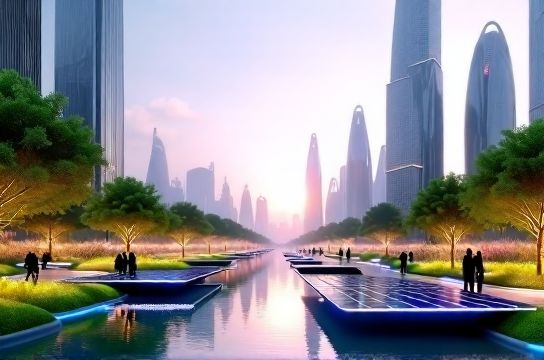
China isn’t just building smarter cities — it’s redefining urban life. With over 60% of its population living in cities (World Bank, 2023), the pressure on infrastructure, air quality, and mental well-being is real. Enter the 'Green Smart City' model — where AI-powered traffic systems meet tree-lined smart walkways, and data-driven planning boosts biodiversity.
The Green Pulse of Chinese Cities
Cities like Beijing, Hangzhou, and Chengdu aren’t just planting trees — they’re engineering ecosystems. The goal? At least 15 square meters of green space per resident by 2030, according to China’s Ministry of Housing. In practice, this means rooftop farms, wetland parks, and even 'sponge cities' designed to absorb rainwater and reduce flooding.
Take Shenzhen: a tech powerhouse that’s also home to over 1,200 parks, including the futuristic Qianhai Garden. Or Suzhou, where classical园林 (classical gardens) merge with IoT sensors monitoring soil moisture and foot traffic.
Smart Meets Green: Real Numbers That Impress
It’s one thing to talk about green innovation — it’s another to see the stats. Here’s how some top Chinese cities are stacking up:
| City | Green Space per Capita (m²) | Total Parks | Air Quality Index (2023 avg) | Smart Features |
|---|---|---|---|---|
| Shenzhen | 17.8 | 1,243 | 33 | Solar benches, app-guided trails |
| Hangzhou | 16.5 | 987 | 41 | AI irrigation, drone monitoring |
| Chengdu | 15.2 | 1,100+ | 52 | Wildlife corridors, smart bins |
| Beijing | 16.0 | 1,050 | 58 | Real-time pollution alerts |
Notice a trend? Higher green space correlates with better air quality — and smarter tech integration. Shenzhen, for instance, uses AI to optimize park maintenance, reducing water waste by up to 30%.
Why This Matters for Travelers & Urban Planners Alike
Whether you're a digital nomad eyeing co-living spaces in Hangzhou or a city planner scouting innovations, China’s green-smart fusion offers blueprints worth studying. These aren’t just pretty parks — they’re data-powered wellness zones equipped with air purifying pavilions, fitness trackers embedded in trails, and QR codes that teach you about native plants.
And let’s be real: who wouldn’t want to escape the hustle in a bamboo forest that also charges your phone wirelessly?
The Road Ahead
China plans to have 200+ smart cities fully operational by 2025, many with net-zero green space goals. Challenges remain — especially in balancing rapid development with ecological preservation — but the momentum is undeniable.
So next time you think of China’s cities, don’t just picture skyscrapers. Picture forests climbing buildings, apps guiding you to the shadiest bench, and cities that don’t just think — they breathe.