
Chengdu Slow Living: Finding Zen in Chengdu’s Hidden Buddhist Gardens
- Date:
- Views:160
- Source:The Silk Road Echo
If you've ever felt like life in China's big cities moves at warp speed, let us introduce you to Chengdu—a city that sips tea like it's meditating and strolls through life with lotus-root calm. While most travelers rush to see pandas or spice up their taste buds with Sichuan hotpot, there’s a quieter, more spiritual side of Chengdu waiting beneath the bamboo groves and temple eaves: its hidden Buddhist gardens.
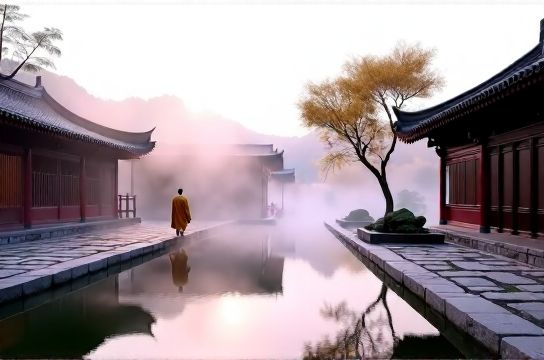
These serene retreats blend ancient philosophy, tranquil design, and natural harmony into spaces where time slows and the mind breathes. Think of them as Chengdu’s soul spas—minus the Wi-Fi, plus enlightenment.
The Art of Slow Living in a Fast World
In a country where '996' work culture is still debated, Chengdu stands out like a monk in a business suit. Locals here embrace what we call 'Man Chengdu'—the slow Chengdu lifestyle. And nowhere is this more evident than in the city’s historic Buddhist temples and their meticulously designed gardens.
Rooted in Chan (Zen) Buddhism, these gardens aren’t just pretty green spaces—they’re tools for mindfulness. Every rock, pond, and winding path is placed with intention, guiding visitors toward inner peace.
Top 3 Hidden Buddhist Gardens Worth Wandering
Forget the crowds at People’s Park. Here are three lesser-known gems where serenity isn’t just promised—it’s guaranteed.
| Garden | Location | Founded | Key Feature | Entry Fee (CNY) |
|---|---|---|---|---|
| Wenshu Monastery Garden | Jinjiang District | 1697 | Pond with sacred lotuses & chanting halls | 5 |
| Zhaojue Temple Garden | North Chengdu | 812 | Ancient cypresses & meditation courtyards | Free |
| Caotang Temple Bamboo Grove | West Chengdu | 347 | Poetry-inspired layout & Du Fu shrine | 8 |
Pro tip: Visit on weekday mornings. That’s when monks sweep courtyards in rhythmic silence, incense curls like morning mist, and the only sound is a bell ringing from another century.
Why These Gardens Work Magic on the Mind
It’s not just poetic vibes—there’s science behind the serenity. A 2022 study by Sichuan University found that just 20 minutes spent in a traditional Chinese garden reduced cortisol levels by an average of 18%. Add in soft chanting or the trickle of water over stone, and you’ve got nature’s original ASMR.
Chan garden design follows three principles:
- Simplicity: Minimal clutter, maximum clarity.
- Asymmetry: Natural imbalance that feels balanced.
- Symbolism: Rocks = mountains; water = wisdom; bamboo = resilience.
How to Visit Like a Local (Not a Tourist)
Want the full zen experience? Follow these local habits:
- Bring loose clothing—some temples offer seated meditation sessions.
- Sip temple-brewed jasmine tea (often sold for 3–5 CNY).
- Leave your voice low and your phone on silent. This isn’t Instagram material—it’s introspection material.
And if you're lucky, you might catch a sutra-reading session at Wenshu Monastery around 4 PM. No translation needed—the rhythm alone soothes the soul.
Final Thoughts: Chengdu’s Quiet Rebellion
In a world obsessed with hustle, Chengdu’s Buddhist gardens are quiet rebels. They don’t shout. They don’t trend. They simply exist—inviting you to sit, breathe, and remember what it feels like to be human.
So skip the shopping malls. Ditch the打卡 (check-in) culture. Let Chengdu teach you how to do nothing… beautifully.