
Beijing Hidden Gems: Hidden Temples and Spiritual Retreats in the Heart of the City
- Date:
- Views:209
- Source:The Silk Road Echo
Think Beijing is all about the Forbidden City and the Great Wall? Think again. Beyond the tourist crowds and neon lights, the capital hides centuries-old temples tucked into alleyways, forgotten courtyards, and quiet corners—places where incense still curls through the air and monks chant in hushed tones. These spiritual sanctuaries offer a soul-soothing escape from the city’s relentless pace. Let’s uncover some of Beijing’s best-kept secrets: hidden temples that double as urban retreats.
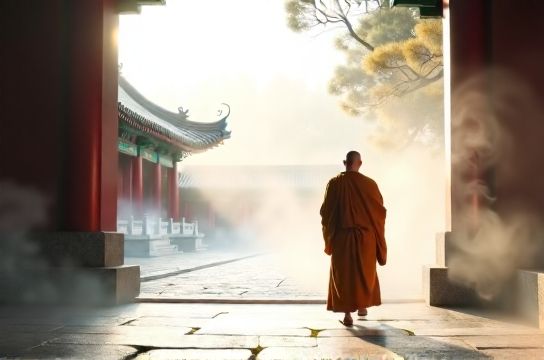
The Whispering Walls of Badaowan Temple
Nestled behind the bustling Haidian district, Badaowan Temple—once a Qing Dynasty nunnery—is now a serene oasis few tourists know about. Restored in 2018, it blends Ming-era architecture with modern mindfulness programs. Locals come here for morning meditation, drawn by the temple’s reputation for inner peace.
What makes Badaowan special? It’s one of the few temples in Beijing offering free weekly Zen sessions in English. And unlike larger sites, photography is welcomed (as long as you’re respectful).
Jieyuan Temple: The Courtyard Sanctuary
Hidden in a hutong near Andingmen, Jieyuan Temple feels like stepping into 17th-century Beijing. Originally built in 1615 during the Ming Dynasty, it was rediscovered in 2003 beneath layers of residential renovations. Today, it’s a working Buddhist temple with just two resident monks—but its energy is palpable.
Visitors often describe a sudden calm upon entering the main hall. No loudspeakers, no souvenir shops—just the soft clink of prayer bells and sunlight filtering through ancient cypress trees.
Comparing Beijing’s Hidden Spiritual Spots
| Temple | Established | Location | Visitor Experience | Entry Fee |
|---|---|---|---|---|
| Badaowan Temple | 1736 (Qing Dynasty) | Haidian District | Meditation, tea ceremonies | Free (donation-based) |
| Jieyuan Temple | 1615 (Ming Dynasty) | Near Andingmen | Quiet reflection, historical ambiance | Free |
| Fayuan Temple | 645 (Tang Dynasty) | Xicheng District | Cultural exhibits, minimal crowds | 5 RMB |
As you can see, these temples aren’t just relics—they’re living spaces for contemplation and cultural connection.
Why These Temples Matter Now More Than Ever
In a city of 22 million people, mental wellness is at a premium. A 2022 Beijing Urban Wellbeing Report found that over 68% of residents feel ‘mentally fatigued’ due to noise and congestion. That’s where these hidden temples shine. They’re not just historically significant—they serve as unofficial mental health havens.
Feng Shui masters still visit Jieyuan Temple to study its energy flow, while Badaowan has partnered with local universities to host mindfulness research. These places aren’t frozen in time; they’re evolving with purpose.
How to Visit Respectfully
Since these sites are small and spiritually active, etiquette matters:
- Dress modestly—cover shoulders and knees.
- Speak softly; silence is part of the experience.
- Ask before photographing monks or rituals.
- Leave a small donation if you attend a session.
And timing? Early mornings (7–9 AM) are golden. You’ll catch chanting sessions and avoid any trickle of visitors.
Final Thoughts
Beijing’s soul isn’t just in its landmarks—it’s in the quiet moments between temple walls, where history breathes and the mind finds stillness. Skip the queues. Wander the backstreets. Let the city surprise you with its silent wisdom.
These hidden gems aren’t just escapes—they’re invitations to slow down, reflect, and reconnect. In a world that never stops moving, that might be the most radical act of all.