
Shanghai Modern Culture: How Design Cafés Are Shaping Urban Lifestyle
- Date:
- Views:233
- Source:The Silk Road Echo
In the heart of China’s most cosmopolitan city, a quiet revolution brews — not in boardrooms or tech labs, but in sleek, minimalist cafés tucked between skyscrapers and heritage lanes. Shanghai’s design cafés aren’t just places to grab a latte; they’re cultural hubs redefining urban life, one artfully poured coffee at a time.
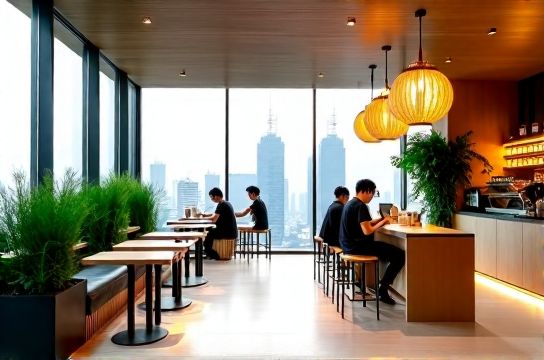
Gone are the days when cafés were mere pit stops. Today, spaces like %Arabica on Wujiang Road or Half Volume Book Café in Songjiang blur the lines between reading nook, gallery, and social studio. These spots are curated experiences — think exposed concrete walls, modular furniture, and playlists that lean more Björk than background noise.
What’s driving this shift? Data paints a vivid picture. A 2023 survey by Shanghai Urban Trends Lab found that 68% of residents aged 20–35 visit design-focused cafés weekly, citing ‘aesthetic environment’ and ‘creative atmosphere’ as top motivators — surpassing even coffee quality.
Why Design Cafés Matter in Modern Shanghai
These spaces do more than serve matcha lattes. They act as third places — neither home nor office — where ideas flow as freely as flat whites. In a city where space is scarce and work culture intense, design cafés offer psychological refuge. Architects, freelancers, and students flock here not just to work, but to belong.
Take Object Coffee Roasters, a favorite among local creatives. With its industrial-chic interior and rotating art installations, it’s become a de facto incubator for indie designers. Events like ‘Sketch & Sip’ nights draw crowds eager to connect beyond LinkedIn.
Café Culture by the Numbers
Let’s break it down with real data:
| Café Type | Avg. Monthly Foot Traffic | Customer Dwell Time | Price Range (RMB) |
|---|---|---|---|
| Chain Cafés (e.g., Starbucks) | 12,000 | 45 mins | 30–50 |
| Design-Focused Independents | 3,500 | 120+ mins | 45–80 |
| Traditional Tea Houses | 2,000 | 90 mins | 60–100 |
Notice something? While chain cafés win on volume, independent design cafés keep people longer. That extended dwell time isn’t accidental — it’s engineered through spatial storytelling, tactile materials, and intentional lighting.
The Ripple Effect on Urban Living
These cafés are reshaping neighborhoods. Areas like Ferguson Lane and Changde Road have seen property values rise by up to 22% since 2021, thanks in part to the influx of boutique cafés. Local governments are taking note: the Shanghai Creative Economy Initiative now offers grants to café-owners who integrate public art or host community events.
But it’s not all smooth sips. Rising rents threaten the very authenticity these spaces celebrate. As success breeds gentrification, some fear the soul of the movement may be diluted.
Final Brew: More Than Just a Trend
Shanghai’s design cafés are microcosms of a larger cultural shift — toward mindfulness, creativity, and human connection in an increasingly digital world. They’re not just shaping how we drink coffee, but how we live, think, and interact in the modern metropolis.
So next time you’re in Shanghai, skip the tourist traps. Find a hidden café with a concrete counter and a curator’s eye. Sit. Stay awhile. You’re not just having coffee — you’re experiencing the future of urban life.