
Shanghai Modern Culture Chronicles: The Fusion of Global Trends and Local Identity
- Date:
- Views:249
- Source:The Silk Road Echo
When it comes to China's cultural heartbeat, few cities pulse as dynamically as Shanghai. More than just a financial powerhouse, Shanghai is a living canvas where East meets West, tradition dances with innovation, and street food stands share sidewalks with Michelin-starred restaurants.
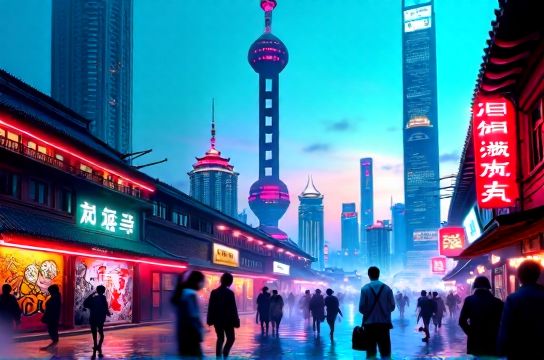
Wander through the Bund at dusk, and you’ll see skyscrapers glitter like jewels across the Huangpu River, while vintage colonial buildings whisper tales of the 1920s. This contrast isn’t accidental—it’s intentional, curated, and deeply symbolic of Shanghai’s identity: a city that respects its roots while sprinting toward the future.
But what really makes Shanghai modern culture so captivating? Let’s dive into the numbers, the neighborhoods, and the nuances that define this global-local fusion.
The Cultural Pulse: By the Numbers
Shanghai doesn’t just feel cosmopolitan—it is cosmopolitan. With over 400 art galleries (more than Berlin), 80+ museums, and hosting nearly 60 international film festivals annually, the city has become Asia’s unofficial creative capital.
And it’s not just about quantity—quality matters too. In 2023, Shanghai ranked #3 globally for number of design firms per capita, trailing only London and Tokyo.
| Metric | Shanghai | Global Rank |
|---|---|---|
| Art Galleries | 400+ | Top 3 |
| Museums | 80+ | Top 5 in Asia |
| Cafés per 10k residents | 17.6 | #1 in China |
| UNESCO Creative City Designations | 1 (Design) | Only Chinese city recognized |
Neighborhoods That Tell Stories
If Shanghai were a novel, its chapters would be written in districts like Xuhui, Jing’an, and Tianzifang. Each area blends heritage and hype in its own way.
Tianzifang – tucked behind Taikoo Hui – is a maze of alleyways turned artisan hub. What was once a residential lane now hosts indie boutiques, pottery studios, and matcha-flavored cocktails. Rent here? Up 200% in five years. Foot traffic? Over 15,000 visitors daily.
Meanwhile, West Bund has transformed from industrial wasteland to cultural corridor. Home to the Long Museum and Yuz Museum, this riverside zone draws 2 million art lovers yearly. Developers have invested over $2 billion in cultural infrastructure since 2018.
Local Identity Meets Global Flair
You can taste the fusion everywhere. Try a xiaolongbao croissant at Baker & Spice or sip baijiu espresso at Union Trading Company. These aren’t gimmicks—they’re reflections of a generation that grew up on K-pop, TikTok, and grandma’s braised pork.
Language mirrors this blend too. Shanghainese dialect is fading among youth, but code-switching between Mandarin, English, and internet slang is the new norm. A 2023 survey found 68% of locals aged 18–35 use at least two languages daily.
Fashion follows suit. Local labels like SHUSHU/TONG and Particle Fever mix qipao silhouettes with streetwear edge, gaining cult followings from Seoul to Paris.
Why It All Works
Shanghai’s magic lies in balance. The government supports creative zones with tax breaks and visas for artists, while private investors back pop-up galleries and design labs. It’s a public-private tango that keeps culture both accessible and cutting-edge.
So whether you're sipping craft lager in a repurposed textile factory or scanning an AR exhibit at Power Station of Art, one thing’s clear: Shanghai isn’t just following trends—it’s setting them.