
How Shanghai Modern Culture Shapes China’s Creative Future
- Date:
- Views:168
- Source:The Silk Road Echo
In the heart of East Asia, Shanghai isn’t just a financial powerhouse—it’s a cultural incubator where tradition dances with innovation. With over 24 million residents and a GDP exceeding $600 billion, this megacity has become China’s creative epicenter. But what exactly makes Shanghai the beating heart of modern Chinese culture? Let’s dive in.
The Fusion of Old and New
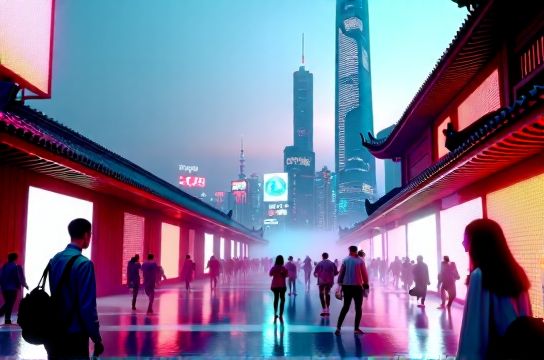
Walk through the Bund, and you’ll see colonial architecture glowing under neon lights. Step into Xintiandi, and centuries-old stone-gate houses now host artisan coffee shops and indie art galleries. This seamless blend isn’t accidental—it’s intentional urban storytelling.
Shanghai’s government has invested over ¥50 billion ($7 billion) in cultural infrastructure since 2018, funding everything from underground music venues to AI-powered art exhibitions. The result? A city where ancient calligraphy meets digital NFTs.
Creative Industries on the Rise
According to the Shanghai Municipal Commission of Culture and Tourism, the city’s creative sector grew by 11.3% in 2023 alone. That’s faster than both Beijing and Shenzhen. Here’s a snapshot of key industries:
| Sector | Annual Revenue (2023) | Year-over-Year Growth |
|---|---|---|
| Digital Media & Gaming | $18.2 billion | 14.7% |
| Fashion & Design | $9.8 billion | 10.2% |
| Contemporary Art | $3.5 billion | 12.8% |
| Music & Live Events | $2.1 billion | 9.5% |
This explosive growth is fueled by young talent. Over 65% of Shanghai’s creative workforce is under 35—digital natives who speak global design fluently while honoring local heritage.
Global Stage, Local Soul
Shanghai Fashion Week draws more international buyers than Tokyo or Seoul. The West Bund Art & Design Fair rivals Basel in prestige. Yet, these events aren’t just copying Western models—they’re redefining them.
Take the 2023 exhibition “Re:Birth” at the Power Station of Art. It merged traditional ink painting with real-time motion capture tech, allowing visitors to ‘paint’ with their bodies. The exhibit attracted over 120,000 attendees—proof that authenticity sells.
Why It Matters for China’s Future
As China shifts from manufacturing to innovation, cities like Shanghai are setting the tone. Soft power matters—and Shanghai’s cultural exports are rising fast. In 2023, Chinese digital content created in Shanghai reached 1.2 billion viewers overseas, up 40% from the previous year.
More importantly, Shanghai offers a blueprint: creativity thrives not in isolation, but through collaboration between government, private sector, and grassroots artists.
So whether you're an artist, entrepreneur, or traveler chasing inspiration, Shanghai isn’t just shaping its own future—it’s defining what modern Chinese culture looks like to the world.